English
 Français
 Deutsch
 Español
 Italiano
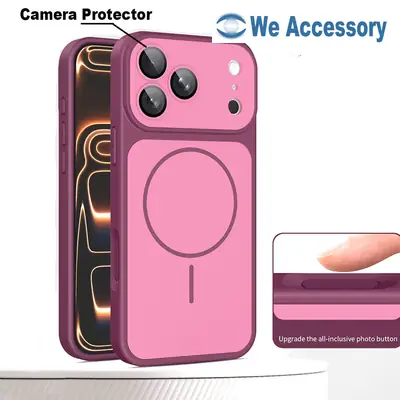
iPhone 18 Pro Max Skin-feeling magsafe case Matte case with build-in camera protection

Recommend Products
-
-
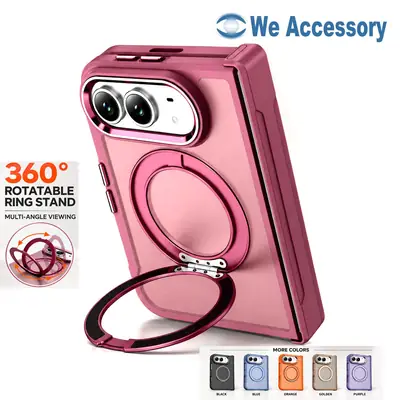 iPhone Duo 360° rotating ring holder case N52 2300 Gauss strong magentic stand case
 -
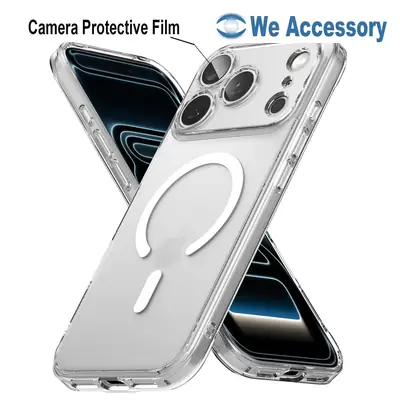 iPhone 18 Pro Clear Magsafe Case build-in camera protector transparent magnetic case
 -
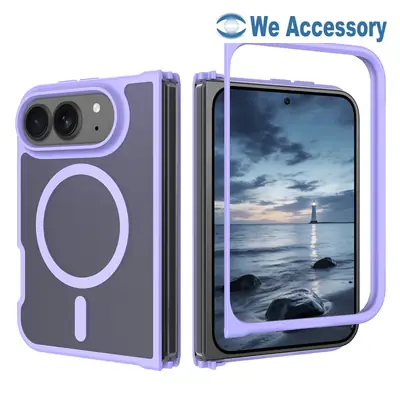 iPhone Duo Matte Magsafe Case Skin-Feeling N52 Strong Magnetic 2in1 Foldable Case
-
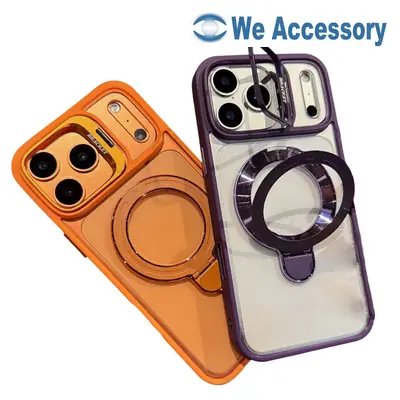 iPhone 18 accessories iPhone 18 Pro 3in1 magnetic holder case camera holder ring holder case
 -
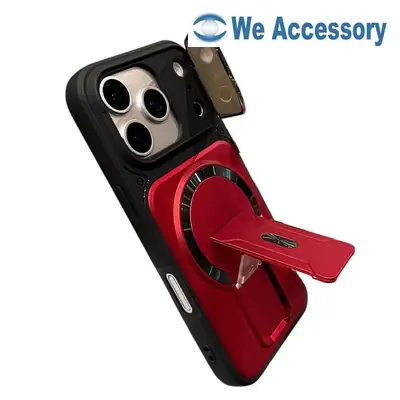 iPhone 18 Pro magsafe holder case glass camera protection and foldable holder case
 -
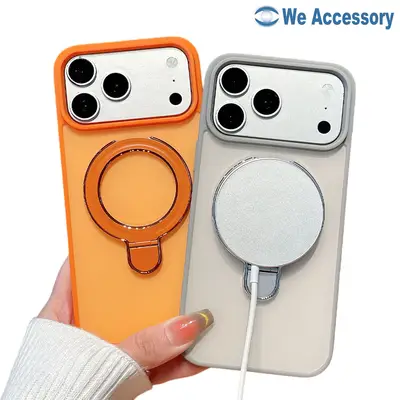 New trend iPhone 18 Pro matte skin-feeling magsafe case ring holder phone holder case
 -
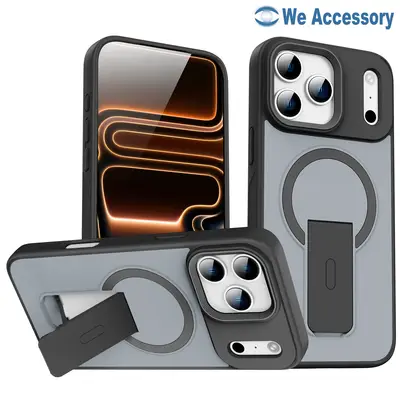 Hot phone accessories iPhone 18 Pro magnetic stand phone case foldable phone holder case
-
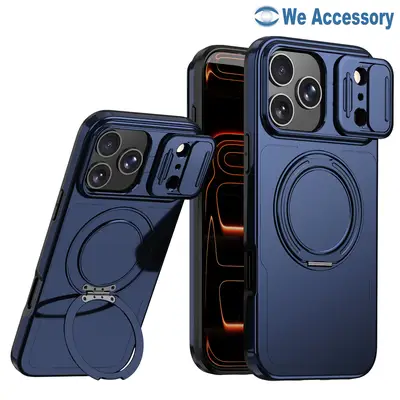 New iPhone 18 Accessories iPhone 18 Pro Ring Holder Case Camera protection Magsafe Case
 -
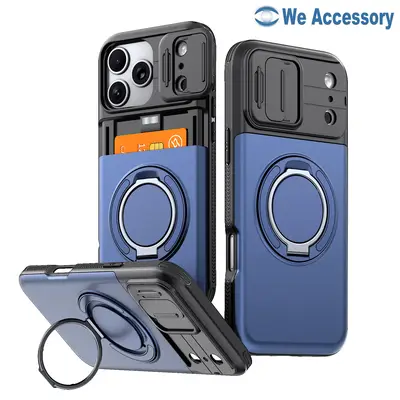 iPhone 18 Pro Max Card Holder Case Magsafe Holder Case Slide Window Camera Protection
 -
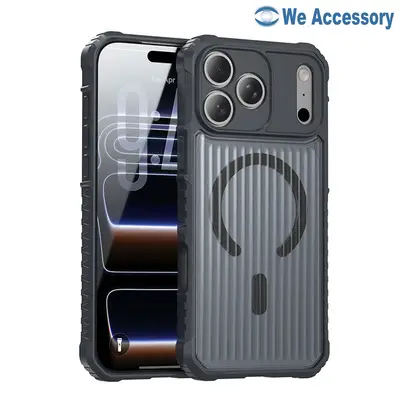 New design iPhone 18 Pro TPU+PC Hybrid Suitcase-Style MagSafe Shatterproof Case
 -
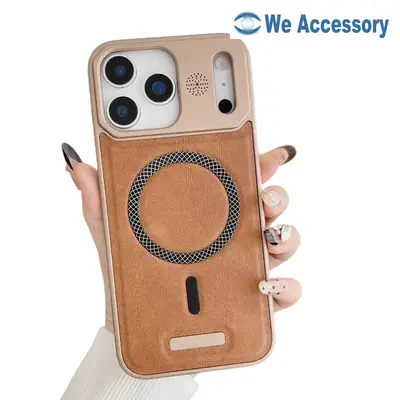 Business demeanor iPhone 18 Pro magsafe leather case 2in1 iphone cover luxury iphone case
-
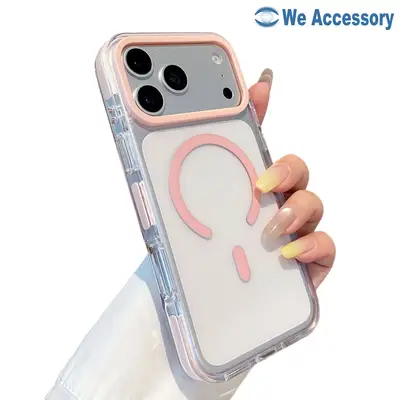 New iPhone Accessories iPhone 18 Pro Clear Magsafe Case double color 2in1 shatterproof case
 -
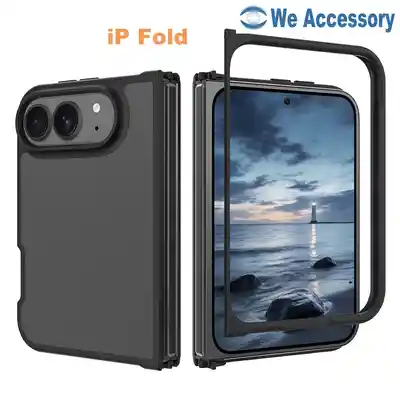 iPhone Case Distributor Newest iPhone Fold Case TPU+PC 2in1 Full Protective iPhone Case
 -
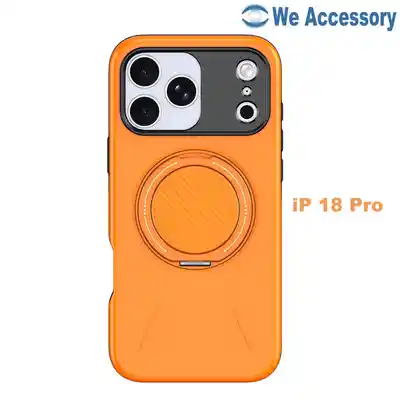 Phone Accessories Company New iPhone 18 Pro Case Magsafe Case with Phone Holder
 -
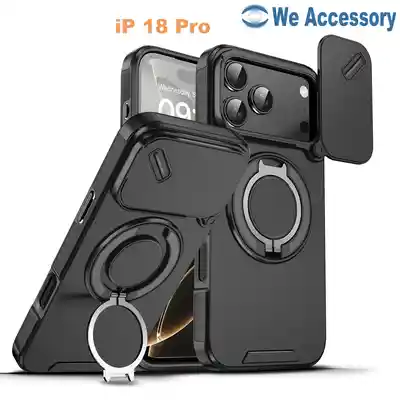 Phone Case Manufacturer New iPhone 18 Pro Max Armor Case Camera Protection and Holer
-
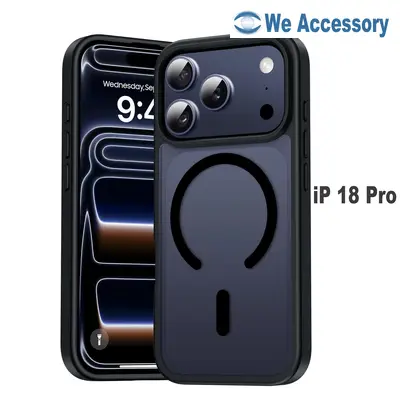 iPhone 18 Accessories Supplier Newest iPhone 18 Pro Case Wholesale Matte magsafe case
 -
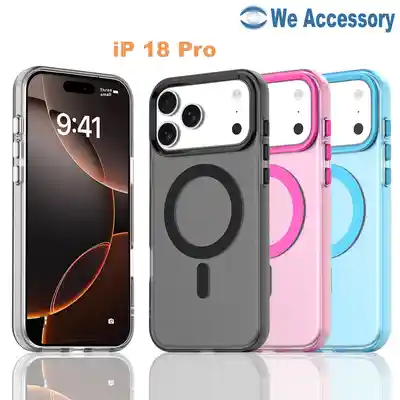 iPhone 18 Pro Case Wholesale Colorful Transparent Magsafe Case New iPhone 18 Pro Case
 -
 Wholesale iPhone 17 Jelly 2 in 1 Magsafe Case colorful silicone iphone case
 -
 Apple iPhone Case Supplier Colorful iPhone 17 electroplated case so cool case
Product Tags
The Same Phone Case Doesnt Sell the Same in Berlin and Milan
October 05, 2026
Two distributors, one product, two WhatsApp messages that arrived eleven minutes apart. The first was from a partner in northern Germany who had
just received his sample of a new patterned case line: "Too loud for my shops. My customers want black, clear, and something that survives a drop. Can you send th
e plain ones?" The second came from a buyer in Milan who had opened the same box on the same day: "Finally, something that doesn't look like a kitchen appliance. Send me two hundred more, and can you do it in the plum and the cream?"
Same factory. Same phone case. Same week. Two verdicts that had nothing to do with each other, and both customers were right — for their market.
That pair of messages is the whole reason this article exists. Anyone who has supplied phone accessories across Europe long enough has had the experience of watching a product fail in one country and sell out in another, and most of them explain it away with something vague about "local taste." Taste is part of it, but only part. What actually changes from market to market is a bundle of things that can be planned for: how people use their phones, what they're willing to pay to protect them, what channel they buy through, what climate the case lives in, and what the case is expected to say about the person carrying it.
Learn those five variables for the markets you sell into, and the phrase "European market" falls apart into something far more useful — a map with distinct territories, each with its own stocking logic. That map is what this article draws.
Why "the European Market" Is a Fiction That Costs You Money
Start with the mistake, because it's the expensive one and it's almost universal. A wholesaler decides to "do Europe," builds one product mix, translates the packaging, and ships the same palette to every country. The result is a line that's strong in one or two markets and weak in the rest, with the weakness blamed on the distributor — "he doesn't push hard enough" — rather than on a mix assembled for a customer who doesn't exist.
The reality is that Europe contains at least half a dozen consumer behaviours that behave like separate markets, and they differ on the variables that decide whether a phone case sells: colour tolerance, price sensitivity, channel structure, climate, and the cultural role of the phone itself.
The differences are big enough to see in plain numbers. A phone case that a German buyer considers normal stock — matte black, drop-tested, no decoration — can sit unsold on a rack in Italy for a season, because a case there is closer to an accessory than a protective component, and a plain black case is what you buy when you've given up. A case that flies off the shelf in Naples because it's bright and cheap can look careless to a Danish buyer who is paying three times more and expects it to survive a winter, a bike ride, and a toddler. And none of that shows up in a product photo, which is why the mismatch persists.
There's a second layer to this that European wholesalers have learned the hard way over the last few years: channel structure. Where a customer buys decides what they buy, and the channel map of Europe is not flat. Germany and the UK are heavily e-commerce, with price comparison one tap away. Southern Europe still runs substantially through physical retail — phone shops, kiosks, markets, and the accessory counter of a repair shop — where a human recommendation carries the sale. Scandinavia sits somewhere between, with high online penetration and strong physical chains, and a customer base willing to pay a premium for things that are well made and defensible.
Same continent, three different selling environments. A mix built for one of them underperforms in the other two, and the fix isn't better salesmanship. It's better stocking.
Germany: Function First, and the Customer Will Read the Spec
If there's one market where the phone case is treated as a piece of protective equipment rather than a fashion item, it's Germany — and the buying behaviour reflects it in ways that are easy to spot once you're looking.
German consumers research before they buy, and they compare. The case purchase often starts with a search that includes the words for drop protection and the phone model, and it ends with a decision made on specifications: material, corner protection, whether the camera has a raised lip, whether the magnets are strong enough for the mount they already own. Claims without numbers get ignored or punished in reviews. Claims with numbers — tested drop heights, magnet grades, material hardness — get read.
Colour tolerance is low and predictable. Black, dark blue, grey, clear, and the phone's own colour via a transparent phone case. Patterned cases exist as a category, but they're a small slice of the market, sold to a specific customer rather than the mainstream, and a wholesaler who ships a rack of patterns to a German retailer should expect most of it to come back as a slow-moving reorder problem rather than a sell-out.
Price sensitivity is high in a particular way: German buyers aren't cheap, they're value-driven. They will pay more for a case they believe is better, but they want the reason stated, and they will switch suppliers for a ten percent difference if the reason doesn't convince them. This is the market where a proper spec sheet and a clear explanation of materials does the most commercial work, because it gives the buyer something to justify the purchase with — and it's also the market where a vague supplier gets discarded fastest.
Sustainability is a growing factor, though less loudly than in Scandinavia: recyclable packaging, less plastic in the shipment, and a supplier who can answer a question about material content. Not yet decisive in most purchases, but increasingly a tiebreaker — and a fast-rising requirement for the larger retail chains, whose own procurement policies are tightening on packaging year by year.
The stocking conclusion for Germany is almost boring, which is the point: deep stocks of plain, well-specified, protective cases. Clear, black, matte dark tones. Strong magnets, documented drop protection, retail-ready packaging that states what the product does. Skip the trends, skip the novelty, and be ready to answer a question about the material with a number.
Italy: The Case Is Part of the Outfit
Now cross the Alps, where the same product changes meaning. In Italy, a phone case is not only protection — it's worn. It's seen on the table at lunch, held in the hand on the metro, put down next to a coffee. The phone is an accessory in its own right, and the case is what makes it personal, which changes what sells in ways that a specification-driven buyer would never predict.
Colour runs hot, and it runs seasonal. Buyers in Milan, Rome and Naples stock palettes with intent — the warm tones, the deep colours, the cream-and-terracotta combinations that read as designed rather than printed. Patterned and textured phone cases are mainstream here, not a niche, and the customer is willing to own several: one for the season, one for the outfit, one because it caught their eye. That behavioural difference — multiple cases per customer, bought on impulse rather than on research — is what makes Italy one of the highest-volume case markets per capita in Europe when the mix is right.
The channel reinforces it. A larger share of Italian accessory sales still happens in physical retail: phone shops, accessory counters, kiosks, markets, and the small chains that line the main streets. The buying decision often happens at the counter, in front of the display, which means the display itself is the salesperson. Cases that look good arranged together — a colour story, a texture, a coherent set — sell here in a way that a specification sheet never will. When a wholesaler supplies Italy, the question isn't only "which cases," it's "which eight cases look right next to each other," because the retailer is going to arrange them that way.
Price sensitivity is real but shaped differently from Germany's. Italian buyers at the retail level are price-aware for commodity products — a plain clear phone case gets compared and discounted — but for a case that reads as fashionable, the price conversation mostly disappears. That's the margin structure of this market: small margins on the basics, much better margins on the seasonal, patterned, designed end. The trap is treating Italy like a discount market because parts of it behave that way; the flip side is treating it like a fashion market only and starving the shops of the cheap volume that keeps the rack turning.
Two practical notes on stocking Italy. First, fashion cycles move faster here, so seasonal colour decisions need to be made earlier and ordered in smaller, more frequent batches — the autumn palette has to be on the shelf in early autumn, not late October. Second, and this is the one people miss: the summer season is real. Coastal regions, holiday areas, and cities like Naples see their accessory demand shift with tourism — an increase in volume, a preference for brighter colours, and a wave of local festivals and markets where case designs are part of the occasion. For a wholesaler, that's a second season per year in parts of the country, and it's invisible if you plan Italy with the same calendar you use for Germany.
France: Quiet Design, and a Suspicion of Loudness
France sits between its two neighbours and takes its own position. The French case buyer, broadly speaking, wants the product to look considered — good materials, clean lines, colours that feel intentional — but does not want it to shout. The loudest trend designs tend to underperform here relative to Italy, and the bare black case underperforms relative to Germany's taste for it. What sells in the middle is design with restraint: the muted tones, the soft-touch finishes, the neat texture, the transparent case done properly, the case that looks like it came from a shop with a point of view.
Material quality matters more than in most markets, and the French customer notices it in a specific way: the touch. How does the back feel, does the finish hold, does the phone case look cheap after a month. Reviews in this market are quick to call out products that look premium in photos and feel like plastic in the hand — which means the buy is driven by material honesty more than by technical specification. A supplier who can talk about the finish, the feel, and the durability of the surface, and who sends samples that match that conversation, wins here. A supplier whose product photographs better than it feels gets a return rate that surprises them.
The channel structure is distinctive: France retains a strong culture of independent retail and specialist shops, alongside large chains, and the independent segment still moves meaningful accessory volume. The direct consequence for wholesalers is that the minimum order quantity conversation matters here — independent shops order in smaller quantities and reorder more often, and a supplier who insists on large minimums cuts themselves off from a channel that, across a country, adds up to serious volume.
Price behaviour lands in the middle: less promotion-driven than the south, less spec-driven than Germany, with a strong middle class of buyers who will pay for a product that looks and feels considered but who will not pay a premium for a logo they don't recognise. That's an important nuance for the We Accessory-style supplier: the value proposition here isn't brand, it's design discipline and material honesty — selling the product, not the badge.
The Nordics: Function, Sustainability, and a Case That Works in the Dark
Now to the markets where the phone case genuinely has to work harder than the customer does. Scandinavia and Finland combine three factors that almost no other European region combines: weather that punishes material choices, a consumer that values function over decoration, and one of the strongest sustainability reflexes in the world.
Start with the climate, because it changes the product. A case in a Nordic winter lives through temperature swings that would surprise a buyer from Spain: from a warm indoors at twenty-two to a minus-ten street in one pocket-to-hand movement, with moisture condensing in between. This is where material choice stops being academic. Soft, flexible materials stay flexible in cold; hard and brittle plastics can crack on impact at low temperatures, and a case that survives a drop in September can fail one in January. For a supplier, that's a specification requirement, not a marketing point: a case sold into northern Europe needs material behaviour tested at low temperature, and a buyer who has had a batch of cracked corners in the cold doesn't buy twice. It's also where the well-made soft-frame and hybrid constructions earn their price, and where cheap rigid alternatives get discovered.
Then the functional reflex. Nordic buyers research, compare, read reviews, and value durability and repairability over novelty. The black phone case sells here too — but for different reasons than in Germany. In the Nordics it's less about austerity and more about not wanting to think about it: a case should work, last, and be forgotten. That's a market where reliability is the feature, and where a supplier's consistency — the same quality in the tenth order as in the first — is worth more than any design story.
And then sustainability, which in the Nordic countries is not a nice-to-have. Recycled and recyclable materials, minimal plastic in packaging, a supplier who can document what the product contains and where it came from: these are increasingly default requirements, particularly for the chains, and a wholesaler selling into the region without that documentation is at a real disadvantage. There's a commercial upside too — Nordic consumers demonstrably pay more for products that meet the standard, which means a case that qualifies can be sold at the top of the price band instead of competing in the middle.
One more Nordic specific: the darkness. In winter, parts of the region get a handful of daylight hours, and the phone screen becomes the main screen for a lot of the day. That drives demand for screen protection and for phone cases that work with accessories in low light — mounts, stands, magnetic attachments. A wholesaler bundling the case with the accessories the season demands sells more than one selling cases alone, and the bundle logic that works in southern Europe in summer works in Scandinavia in November, for entirely different reasons.
Southern Europe: Price, Colour, and the Season That Changes Everything
Move to Spain and Portugal and the market shifts again, in the direction of value and volume.
The first thing a wholesaler notices in Iberia is price sensitivity — genuinely high, and expressed openly. Buyers compare, negotiate, and expect volume pricing to be real. A case that sells in Berlin at a premium because of its specification has to fight for space here against a cheaper equivalent, and the shops that survive are ruthlessly good at matching stock to what their customers will actually pay for. That's not a weakness in the market; it's a different market, with a tighter price band and a bigger role for the basics.
But the second thing, and the one that surprises buyers who only look at price, is colour and season. Southern European accessory demand is heavily influenced by the tourist calendar and the festivals. Coastal towns triple in population in August; local markets run through the summer; the party and festival season rolls through the year in specific regions. Phone case demand moves with those rhythms — brighter palettes, more decorative designs, and a surge in replacement purchases as visitors buy cases as gifts or souvenirs of the trip. The wholesaler who builds a summer-specific assortment for southern Europe is not being clever; they're matching a real seasonal demand that the "one European mix" approach misses entirely.
There's also a structural difference worth planning for: the market still runs in significant part through smaller, independent shops and stalls, with lower order quantities and frequent reorders. A supplier with a flexible minimum (we ship from fifty pieces, for example) can build a wide base of small accounts here, while a supplier demanding container-sized orders watches that channel go elsewhere. This is where minimum order flexibility becomes a genuine competitive advantage rather than a sales line.
Climate as a Product Requirement, Not a Detail
The climate map of Europe is a specification map, and it's worth stating plainly because it's the most overlooked variable in accessory wholesaling.
Northern Europe needs cold-performance materials: flexible grades that don't crack at low temperatures, coatings and adhesives that survive temperature cycling, and — in the coastal parts — corrosion-resistant metal components, because salt air and road salt are unkind to cheap hardware in a magnetic ring or a kickstand hinge. Phone cases with glued layers are more vulnerable to the freeze-thaw cycle of a Nordic winter, which is another reason the mechanical constructions hold up better in that region and why the cheap two-layer case with a glued backplate has a notably higher failure rate in the north than in the south.
Southern Europe needs heat and UV performance: materials that don't soften in a hot car and coatings that don't degrade under strong sunlight, because a phone left on a dashboard in August is a small oven and a case is what's inside it. This is where the UV-stabilised and anti-yellow formulations earn their premium, most visibly in transparent cases — the market where the difference between a good clear case and a cheap one shows up fastest, and where the "it looked fine for three months" complaint originates.
And then the in-between markets — France, the Benelux, central Europe — get a mix of both, which means a supplier selling across the continent is effectively being asked for a product family that spans a temperature range, not a single specification. The practical answer for a wholesaler is to carry the tough end for the north and the UV-resistant end for the south in the appropriate quantities, and to make sure the retail customer in each market understands which one they're buying. A Danish shop selling a phone case formulated for a Mediterranean summer will see unnecessary failures in January; a Spanish shop selling Nordic-grade soft cases will find they sell poorly against cheaper, lighter alternatives that are perfectly adequate for the climate. Right product, right market — it sounds obvious and it's routinely ignored.
The Channel Map: Where the Customer's Hand Decides
The last variable is where the sale physically happens, because that decides everything the phone case has to do before it ever reaches a shelf.
Germany, the Netherlands and the UK are e-commerce markets with a strong comparison culture. The case sold here has to win a listing: clear specification in the copy, images that show the actual product rather than a render, reviews that back up the claims, packaging that survives a courier. The product's quality matters, but the product's describability matters almost as much — a brilliant case that can't be explained in a listing underperforms a good case that can.
Southern Europe and much of central Europe still sell through a counter, and the counter is where a phone case gets chosen. The customer picks it up, feels the texture, compares two colours, asks the assistant which one is better. This means the case has to sell in the hand: the finish, the weight, the way it snaps on. It also means the retail customer needs the shop-floor story — a sentence about why this case and not that one — and a supplier who provides it sells more through the same shop.
Scandinavia and the Nordic countries combine both: high online penetration plus strong physical chains, with customers who use one to research and the other to decide. The case that wins here is the one that survives both tests — documented well enough for the listing, good enough in the hand to close the sale when the customer finally holds it.
A wholesaler selling across all three environments doesn't need three product lines. But they do need to know which of the three filters each of their retail customers operates behind, because the same box of phone cases performs completely differently depending on whether it lands in a warehouse for an online seller or on a glass counter in Naples.
When the Regional Picture Doesn't Fit
A map is a starting point, not a verdict, and any wholesaler who turns the previous sections into rigid rules will misread their own customers. The regional patterns are real — they show up in the aggregate, order after order — but they're averages, and averages hide the customers who don't fit. Knowing where they break down is what separates a buyer who uses market insight from one who quotes a stereotype back at a retailer who knows better.
The first split is urban versus rural, and it's often sharper than the national differences. A shop in central Berlin serving students and creative offices is a different customer from a shop in a Bavarian town serving a commuter population — the first will sell pattern and colour that the second would never stock, even though both are in the same country and the same national market. The same holds everywhere: Milan's Brera and a village in Calabria are not one market, and neither are Paris and a provincial town in the Loire. When a wholesaler plans a country, they're really planning for the customers of a handful of specific retail types, and the type matters more than the border.
The second split is age, and it's the most universal force working against regional stereotypes. Young consumers in every European country are more visually adventurous than the national average: they buy patterned phone cases, they change them more often, they respond to whatever's circulating on social platforms, and they are less loyal to any particular colour tradition. A market like Germany's looks austere when you average it across all buyers; it looks considerably more colourful when you look only at eighteen-to-twenty-five-year-olds in cities. A wholesaler whose German account base skews young should stock against the national pattern, not with it — and the reverse is true for a Nordic customer base that skews older and functional.
The third is the one that catches visiting buyers by surprise: multicultural urban markets don't fit the national mould at all. Large cities with significant immigrant communities — Frankfurt, Marseille, Antwerp, Malmö, and dozens more — contain customer groups whose aesthetic preferences have nothing to do with the national average and everything to do with the cultures they come from and the communities they live in. Shops serving those customers stock differently, and a wholesaler who treats "Germany" as one block will under-serve some of the best-selling shops in the country. The practical takeaway isn't to build a separate range for every community; it's to look at what each customer is actually reordering instead of what the national profile predicts, and to let the data override the map.
The fourth is the tourist exception, which matters more than its share of the population suggests. Coastal and resort regions across southern Europe effectively import their consumer profile for several months a year: the customers in August are northern Europeans with northern preferences and holiday spending moods, buying phone cases in a heat wave, often as gifts. A shop in a resort town that stocks according to the local winter market and ignores the summer influx leaves money on the table every season.
And the fifth, running underneath all of them, is that regional differences are slowly converging in the places where the internet touches them. A twenty-year-old in Naples and a twenty-year-old in Hamburg both see the same case trends on the same platforms, and the global taste graph pulls them closer every year. What doesn't converge is the physical context: climate, channel structure, income, and the shop around the corner. Those change slowly, and they're what makes the map still worth having — as a set of probabilities to test against orders, not a set of rules to apply without looking.
That's the honest way to use everything above. Take the pattern for a market, stock a first order against it, and then watch what actually sells and reorders. The distributors who sell well across Europe aren't the ones with the best theory about each country. They're the ones whose theory is good enough to start with, and who replace it fast with what their customers tell them.
The Stocking Map: How to Build a Mix for Several Markets at Once
So how does a buyer actually use all of this? Not by choosing one market and ignoring the rest, and not by shipping an identical mix everywhere. The practical approach is a shared core with regional overlays, and it looks like this.
The core — the part that works everywhere — is the functional basics done properly: clear and black cases in the main model sizes, a transparent magnetic option, a well-built protective design, and the model coverage that every market needs. This core is roughly two-thirds of a sensible European range, and it's the stock that lets a wholesaler quote any customer in any country without hesitation.
The overlays are where the money is made or lost. For northern Europe: cold-performance materials, sustainability documentation, and strong magnetic accessories to pair with the dark season. For southern Europe: brighter palettes, decorative designs, and enough cheap-and-cheerful volume to keep the price-led customers supplied. For the fashion-led markets — Italy above all — an earlier, faster seasonal colour cycle and smaller, more frequent deliveries. For the specification-led markets, thorough documentation, samples that match, and consistency order after order.
The second practical piece is the trial order. Nobody should re-plan their whole range on a market theory, including this one. The way to use a map like this is to test: send a modest assortment of a new direction to two or three customers in one market, watch what reorders, and let their buying tell you what the theory got wrong. The distributors we work with who sell across Europe all run this way — a stable core, two or three experiments running at any time, and a rolling judgment about which overlay belongs in which country next season.
And the third piece is language and labelling, which sounds trivial until a shipment lands. Cartons and packaging that speak the local language, product names that read naturally in the market, and documentation in the right language for the market's procurement rules — these are the details that make a supplier look local in a market where looking local is what gets you the reorder. It's the least glamorous part of selling across Europe and one of the most reliable differences between the supplier who sells into a country and the one who sells to it.
Three Questions That Place Any New Customer on the Map
Theory is only useful when it turns into a question you can ask. For a wholesaler opening a new account anywhere in Europe, three questions do most of the work of placing that customer on the map — and they're questions a retailer can answer in a minute, which matters more than their elegance.
The first is about their customers' age mix. A shop whose customers are mostly under thirty, mostly over fifty, or spread evenly will want different ranges, and the answer often contradicts the national average. The second is about how their customers buy — online listings, a shop counter, a market stall, or a repair desk — because that decides what the case has to do before it's even opened. And the third is about the weather their customers actually live in: coastal, mountain, or inland; northern winter or southern summer. Those three answers, combined, predict the core of the right mix better than any national profile, and they take less time than a coffee order.
Ask them of every new account, and write them down. Within a season, the answers become the most useful sales database a wholesaler can own — not a list of who buys what, but a record of why, in terms that let you predict the next order before it arrives.
The continent isn't one market, and the fact that it's cheaper to pretend it is doesn't make the pretence true. The wholesalers and shops that grow across Europe are the ones who stopped shipping the same palette to Oslo, Milan and Valencia, and started treating each market as a customer with its own habits — because it is.
— William Shaw, Head of Sales at We Accessory
About We Accessory
We Accessory is a professional phone accessories wholesale supplier based in Shenzhen, China, operating since 2012, specializing in phone cases and tempered glass screen protectors for 50+ countries, including markets across Germany, France, Italy, Spain, the Nordics and Benelux. Our phone case range — clear and frosted TPU, hybrid and snap-lock builds, acrylic 2-in-1, MagSafe clear and stand designs, custom printed lines and the iPhone Duo foldable range — is stocked and specified to match regional requirements: cold-performance materials and documented sustainability for northern markets, UV-stable anti-yellow formulations for southern ones, and flexible MOQ from 50 pcs so smaller independent retailers and multi-market distributors can both buy in the quantities that fit. Every product passes at least six quality control checks before shipment.
Address: 2F, Block A2, Nanchang Industrial Area, Xixiang Town, Bao'an District, Shenzhen, ChinaTel: +86-755-36818832WhatsApp: +86-15919800304Email: [email protected]Website: weaccessory.com
Share:


Why Choose We Accessory
12+
Years Experience
2000+
Product SKUs
50+
Countries Served
OEM
& ODM Service
2-4
Day Delivery
Professional Phone Accessories Wholesale Supplier
We Accessory is a trusted phone accessories wholesale supplier since 2012. We specialize in phone case, tempered glass screen protector, USB cable, charger and more mobile accessories wholesale, serving customers in 50+ countries worldwide.
Frequently Asked Questions
Where is We Accessory located?
We are located in Shenzhen
What products do you offer?
We offer phone cases, screen protectors, USB cables, chargers and more mobile accessories for all major brands.
Do you offer OEM/ODM services?
Yes, full OEM and ODM customization with your logo, packaging and designs.
What is your shipping time?
In-stock items ship in 2-4 business days via DHL/UPS/FedEx. Custom orders 5-7 days production plus shipping.
We Accessory (WeAccessory.com)
Address:2F, Block A2, Nanchang Industrial area, Xixiang Town,Bao'an District, Shenzhen
Tel: +86-755-36818832
Mobile/Whatsapp: +86-15919800304
Email: [email protected]
Microsoft Teams: william.shaw186
Product Tags
Contact us Now!
Please send us your Email address if you'd like some products



Copyright © 2012-2026 Shenzhen Western Electronic Co., Ltd All Rights Reserved. Sitemap | Best Phone Case Wholesale, Tempered Glass Screen Protector, USB Charger, Cable, other Mobile Accessories Wholesale