English
 Français
 Deutsch
 Español
 Italiano
iPhone 18 Pro Clear Magsafe Case build-in camera protector transparent magnetic case

Recommend Products
-
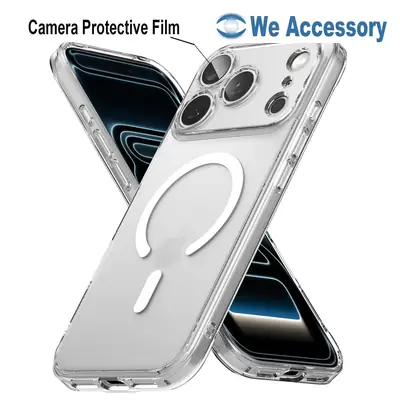
-
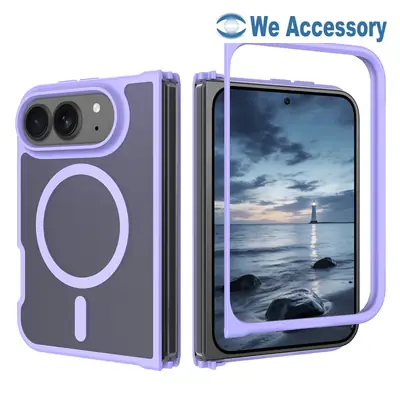 iPhone 18 Fold Matte Magsafe Case Skin-Feeling N52 Strong Magnetic 2in1 Foldable Case
 -
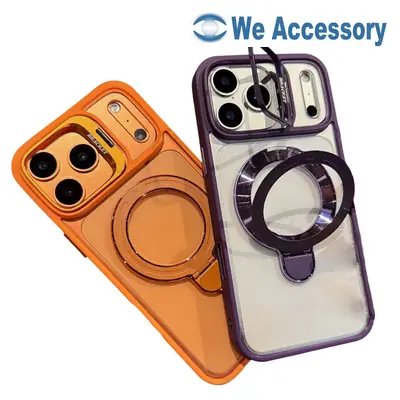 iPhone 18 accessories iPhone 18 Pro 3in1 magnetic holder case camera holder ring holder case
 -
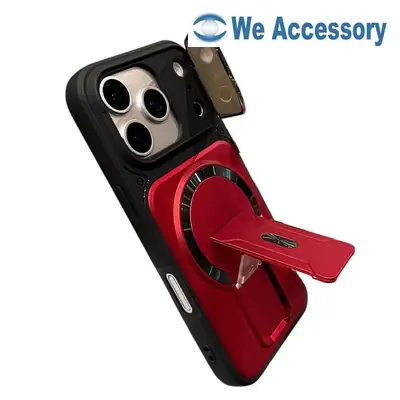 iPhone 18 Pro magsafe holder case glass camera protection and foldable holder case
-
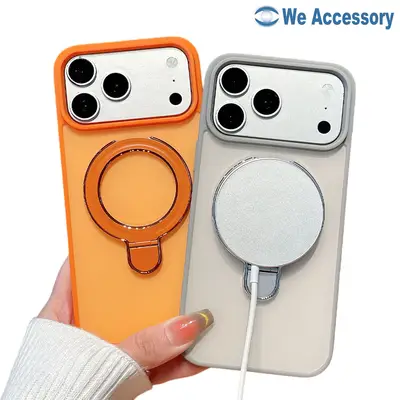 New trend iPhone 18 Pro matte skin-feeling magsafe case ring holder phone holder case
 -
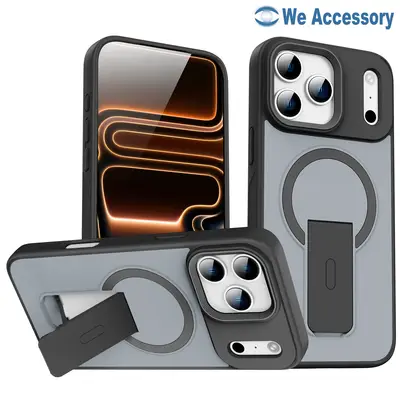 Hot phone accessories iPhone 18 Pro magnetic stand phone case foldable phone holder case
 -
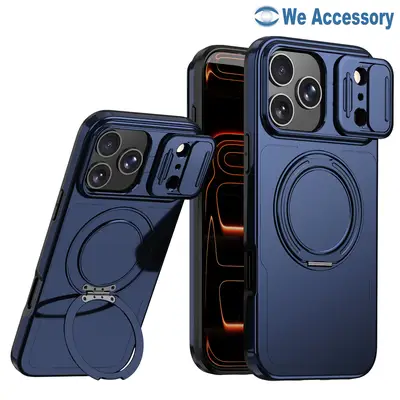 New iPhone 18 Accessories iPhone 18 Pro Ring Holder Case Camera protection Magsafe Case
 -
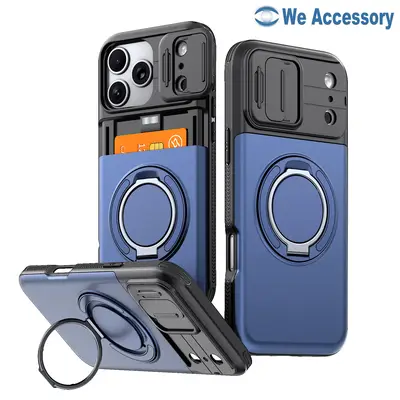 iPhone 18 Pro Max Card Holder Case Magsafe Holder Case Slide Window Camera Protection
-
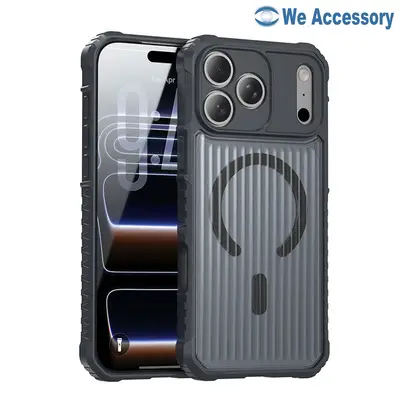 New design iPhone 18 Pro TPU+PC Hybrid Suitcase-Style MagSafe Shatterproof Case
 -
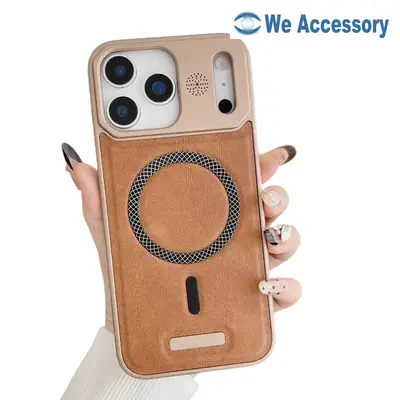 Business demeanor iPhone 18 Pro magsafe leather case 2in1 iphone cover luxury iphone case
 -
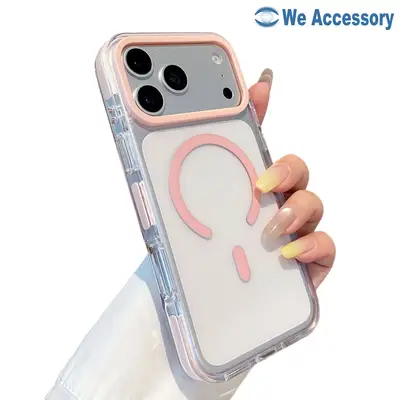 New iPhone Accessories iPhone 18 Pro Clear Magsafe Case double color 2in1 shatterproof case
 -
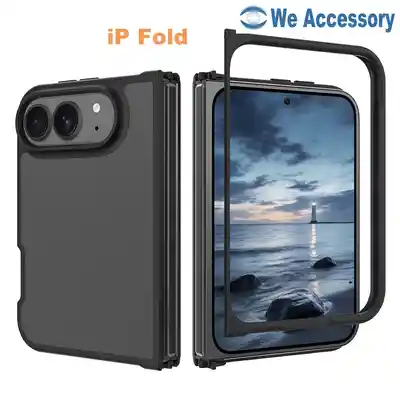 iPhone Case Distributor Newest iPhone Fold Case TPU+PC 2in1 Full Protective iPhone Case
-
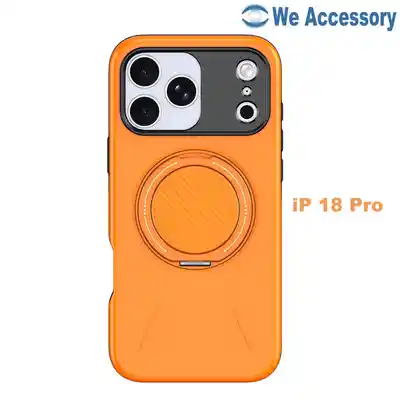 Phone Accessories Company New iPhone 18 Pro Case Magsafe Case with Phone Holder
 -
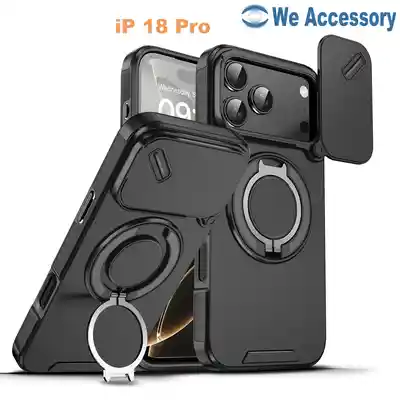 Phone Case Manufacturer New iPhone 18 Pro Max Armor Case Camera Protection and Holer
 -
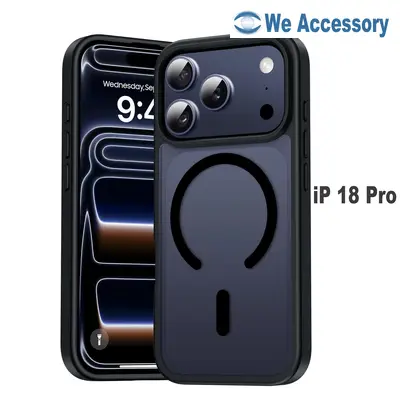 iPhone 18 Accessories Supplier Newest iPhone 18 Pro Case Wholesale Matte magsafe case
 -
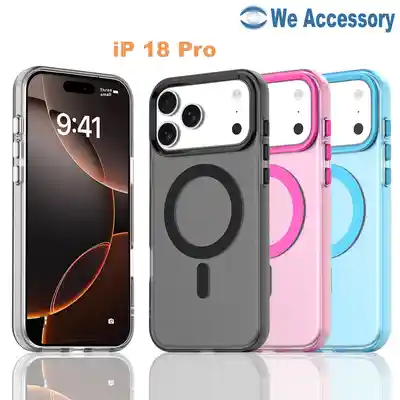 iPhone 18 Pro Case Wholesale Colorful Transparent Magsafe Case New iPhone 18 Pro Case
-
 Wholesale iPhone 17 Jelly 2 in 1 Magsafe Case colorful silicone iphone case
 -
 Apple iPhone Case Supplier Colorful iPhone 17 electroplated case so cool case
 -
 Apple accessories supplier iPhone 17 biodegradable case wheat straw phone case
 -
 Wholesale mobile accessories Samsung S26 Ultra case with magnetic phone holder
Product Tags
iPhone 18 Ultra Screen Protector Wholesale, What Changes When the Fold Arrives
September 04, 2026
Three models. Two completely different businesses. That's the sentence that sums up the iPhone 18 screen protector market before a single phone ships in September.
Every September, the questions arrive early. This year they arrived with a twist. The first WhatsApp message from a German distributor came in the second week of August, and it looked like every other launch message we get: "iPhone 18 Pro glass ready yet?" The second message, three days later, came from a repair chain in Oslo, and it did not look like any message we've gotten before: "How do we protect the Fold screen? The foldable one. Nobody can tell us."
That's the sentence most of the accessory industry is still trying to finish. For thirteen years, screen protectors followed one simple rule: the phone's a flat slab of glass, so the protector's a flat slab of glass, sized to the model. New model, new cutout, same product. The iPhone 18 Fold doesn't just add a new model to the list. It breaks the rule that made the old list work.
This article is about that break — what the Fold actually changes for wholesalers and retailers who sell tempered glass, what stays the same for the Pro and Pro Max, and how the glue-thickness options (110 to 380 A/B glue) that were already sitting in your catalog suddenly matter more than ever. If you buy screen protectors in bulk for the September launch, this is the map.
The One-Model-One-Glass Rule, and Why Fold Kills It
Let's be precise about what's changing, because half the market is still treating the Fold like another Pro Max with a hinge. It isn't. A foldable phone has two screens. The inner screen folds — it physically bends through a radius every time the phone opens and closes — and that one fact rules out most of what the screen protector industry has built for the last decade.
A standard tempered glass protector is rigid. That's the entire point: a hard, stiff sheet of 9H glass that takes the impact instead of the display underneath. You cannot put a rigid sheet of glass on a screen that folds in half. It would crack the first time the phone closed — the protector, and quite possibly the display it was meant to save. So the Fold's inner screen needs a fundamentally different product: a flexible protector, thin enough to bend with the display through tens of thousands of open-close cycles without delaminating at the crease.
The outer screen is a different story. The Fold has a cover display on the outside — smaller than the inner one, and flat enough to take a real tempered glass protector. So one Fold in your display case needs two different products from two different material families: a rigid glass protector for the cover screen, and a flexible film-type protector for the main display. That's the new rule nobody has memorized yet, and it's the first thing to teach your salespeople and your retailer customers before September.
There's a second surprise hiding in the Fold for people who only think about screens: the cameras. The camera module on the Fold sits in a different layout than the Pro models, and the lens count is different. Every protector family that wraps around the camera — full-cover glass, privacy glass with camera cutouts, lens films — has to be redesigned for a module that wasn't in last year's catalog. A distributor who orders "iPhone 18 glass" as one line item is ordering trouble. The Fold needs its own SKUs, its own stock, and its own staff training.
The Pro and Pro Max: Same Rulebook, Richer Playbook
Now the reassuring half. The iPhone 18 Pro and Pro Max are flat-slab phones like every flagship before them, which means the tempered glass playbook that has worked for a decade still works — and it's about to get more profitable, because the launch window concentrates demand into a few weeks and the full category list applies to two models instead of one family of four.
The category list is the part every wholesaler already knows, so let's talk about it the way it actually behaves in a launch order rather than the way it looks on a brochure. Clear glass is the volume product — the customer who just bought a Pro and wants the screen protected without thinking about it. Full-cover glass is the main event, the one that sells at the highest volume with the least price resistance, because it protects the whole display edge to edge and reads as "the proper one." Privacy glass sells to a specific and loyal buyer — office workers, commuters, anyone who has ever had a stranger read their screen on a train — and it carries a markup that the clear stuff can't touch. Anti-blue-light glass sells on a promise people already believe in: long days on the phone, tired eyes, a filter that helps. Anti-glare glass is the quiet one that every outdoor worker and delivery driver asks for eventually, because matte finishes kill reflections in sunlight better than any coating. And lens film — the piece most first-time buyers forget until their second phone — is the cheapest upsell in the category, protecting a camera module that now costs more to replace than most phones used to cost new.
Six categories, two models, one launch window. The mistake wholesalers make isn't choosing between them; it's treating them as six separate orders instead of one basket with a shape. The shape, in our experience across a decade of launches, puts roughly a third of the value into full-cover glass, splits another third across clear and privacy, and leaves the last third to anti-blue, anti-glare and lens film together. Your mix will flex with your market — privacy sells heavier in dense cities, anti-glare in rural and northern regions where driving hours are long — but the principle doesn't: the basket earns its margin from the specialist categories, and the clear glass is what keeps the shelf looking full while they sell.
There's a market texture underneath all of this that's worth reading before you set your mix, because the same six categories sell differently across Europe. Privacy glass moves heaviest in the dense commuter cities — London, Paris, anywhere a stranger reads over your shoulder on the 8:12. Anti-glare matte sells to the drivers and the outdoor trades, and that means Scandinavia punches above its population: low winter sun at driving height, hours of glare off wet asphalt, and a customer base that has learned to ask for matte by name. Anti-blue-light finds its buyers wherever the screens are — which, in the long Nordic winters when daylight ends at three, is everywhere. And the cheap end of the ladder belongs to the warm-weather kiosks and the tourist strips, where a ten-euro phone and a five-euro glass are a natural pair. The wholesaler who sells the same mix to Oslo and to Valencia is leaving money on both shelves; the one who flexes the basket to the market sells the same catalog twice.
The Glue Thickness Ladder: Not a Choice, a Stratification
Here's where the iPhone 18 launch gets interesting for people who sell glass in bulk, and it's the part that almost no one explains properly: the A/B glue thickness of a protector isn't one product decision — it's a ladder of five rungs, and the September launch is the moment the ladder pays rent.
The numbers — 110, 180, 280, 330, 380 A/B glue — describe how thick the adhesive layer is. And thickness is not about being "better" in the abstract. It's about what the screen demands and what the installer can handle. The thinnest option, 110, is the price-war glass: cheap to make, cheap to sell, and genuinely fine on a perfectly flat screen with a careful buyer. The problem is that most screens aren't perfectly flat, and most buyers aren't careful — which is why 180 is the realistic floor for any shop that wants customers to come back. It's the workhorse: strong enough for the standard flat displays of the Pro and Pro Max, forgiving enough for an average installation.
Move up the ladder and you're buying for geometry. The Pro Max's display is bigger, and bigger displays curve more at the edges — the glass has to follow that curve, and the adhesive has to be thick enough to bridge the gap between the curved protector and the screen underneath without air pockets. That's the 280 and 330 territory: curved-edge glass, the edge-to-edge and 3D protectors that wrap toward the frame. And at the top sits 380 — the thickest, strongest adhesive in the range, the one that holds even on aggressively curved screens and never lets go. It is also, by a distance, the hardest to install. A 380 protector has no patience for a dirty screen or a shaky hand: get a speck of dust under it and the bond is so strong you're not lifting it again. That's why the serious shops don't sell 380 as a walk-in product. They sell it as an installation — the customer pays for the glass and for the ten minutes of clean-room care it takes to seat it perfectly, often with a mounting frame.
Now read that ladder the way a wholesaler should, and it stops being a product spec and starts being a customer map. The kiosk that sells a hundred cheap protectors a week wants 110 and 180 — fast, cheap, disposable. The repair shop that charges for proper installation wants 280, 330 and 380, because those are the protectors that justify a service fee and build a reputation. One supplier with all five rungs can serve both customers from the same warehouse — and that's the quiet advantage of carrying the full ladder instead of picking a favorite. Your catalog doesn't choose between the budget market and the premium market. It serves both, and the launch window is exactly when both markets are buying at once.
The Installation Question: Where Glass Sales Become Service Sales
Every tempered glass wholesaler learns the same lesson eventually, usually from a return box: the protector is only half the product. The other half is the ten minutes between the customer buying it and the customer walking out with it properly installed. And the iPhone 18 generation, with its curved Pro Max edges and its foldable display, is the generation where that half decides who wins.
Walk into any phone shop in Europe and watch how the counter works. The kiosk operator sells a protector and offers to put it on — free, in under a minute, using a cheap plastic alignment frame and a lot of confidence. The repair shop does it differently. They sell the protector at the shelf price, then charge separately for the installation, and the customer happily pays, because they've learned that a badly installed protector is worse than no protector at all — bubbles along the edge, a hairline of dust frozen under the glass, a corner that lifts after a week and catches everything in a pocket.
Here's the number that explains the difference: a proper installation of a curved-edge protector — clean the screen, dust it with the removal sticker, align the glass to the edge geometry, press from the center out — takes about the same time as a sloppy one. The difference isn't the minutes. It's the tools and the care, and whether the shop has a mounting frame that matches the model. The shops that invested in model-specific frames years ago treat every launch as a small upgrade — new frame for the new curvature, same process. The shops that skipped frames spend every launch explaining why this year's glass doesn't sit flat.
The wholesale reading of this is simple and slightly uncomfortable: your retailer customers' installation skill is part of your return rate. A shop that can't seat a 280 curved protector will blame the glass, send it back, and order from someone cheaper next time — not because the glass was bad, but because the install failed. That's why the best distributors don't just ship boxes. They send their retail customers a one-page install guide per model per curvature, they demo the mounting frame at trade shows, and they make sure the shop knows that a 380 protector is a service product, not a shelf product. Teach the shop to install, and the shop stops returning.
For the Fold, this stops being advice and becomes a requirement. The inner-screen flexible protector is applied to a display that bends — the alignment has to be centered on the crease, the surface has to be absolutely dust-free, and the application technique is closer to wrapping a car window than to dropping glass on a flat screen. The shops that figure this out will charge a real service fee for it, because very few people in their city will be able to do it at all in the first months after launch. The wholesaler who provides the training — a short video, a clear guide, a demo unit at the counter — doesn't just sell more film. They become the supplier the shop trusts with the product that scares everyone else.
Fold Glass Is a Service Business, and That's Good News
The Fold doesn't just change the product list — it changes where the money is made. And for wholesalers who have spent years watching tempered glass get commoditized, that's the most interesting sentence in this article.
Think about what a foldable display costs to replace. A cracked inner screen on a foldable isn't a £200 repair; it's a panel replacement that can run into serious money, and often comes with questions about whether the phone is worth fixing at all. The customer standing in your shop holding an iPhone 18 Fold knows this. They paid flagship money for the phone, they've read the horror stories about foldable screens, and they will pay whatever it takes to protect a display they can't afford to break. That changes the sales conversation from price to protection, and it changes the margin conversation in the same direction.
The practical product story for the Fold runs like this: the cover screen gets a proper tempered glass protector — treat it like a mini Pro screen, full coverage, edge-to-edge, from the 280 rung up. The inner screen gets the flexible film-type protector, applied with real care — dust-free, centered on the crease, and the kind of installation that shops should charge a service fee for, because a crease-misaligned install is a bubble factory. Add lens film for the Fold's camera module, and the basket for one Fold customer is worth more than the basket for two Pro customers, with margins to match. The wholesale lesson is blunt: the Fold turns your best retail customers into service businesses, and the wholesaler who supplies both the product and the confidence to install it owns that relationship.
The other side of that service economy is repair — and here the Fold does something no iPhone has done before: it makes the repair shop relevant again on launch day. For a decade, a cracked iPhone screen meant a trip to an authorized center or a carrier, and the independent shop watched the work walk out the door. A foldable display is a different animal. The inner screen is laminated to a mechanism; the repair is specialized, the parts are scarce at launch, and the shops that invested early in foldable repair skills — the training, the tools, the confidence — become the only game in town for the first year. That's a relationship worth more than any single glass sale, and it starts with the screen protector: the shop that can install and explain the Fold's protection is the shop the customer trusts with the phone itself. The wholesaler supplying that shop with Fold-specific film, and with the install knowledge to back it up, is wiring themselves into the most profitable service relationship on the high street.
What Quality Actually Means When You Buy by the Box
Every screen protector on the market claims 9H hardness, and every wholesaler has learned that the label and the box can disagree. So before the September orders go out, here's what quality actually means for this product category, in the order it matters to your return rate.
Start with the adhesive, because it's the part nobody can see in a photo and the part that decides everything after month one. A good A/B glue layer is uniform — no streaks, no low spots, no speckles of trapped air visible when you hold the protector to the light at an angle. Uniformity is what lets the glass seat cleanly across a curved edge instead of silvering at the border. The cheap stuff saves on adhesive; the savings show up as the thin edge-air line that customers photograph and send to you as evidence.
Then the glass itself. The 9H claim refers to pencil hardness — the coating should resist scratching from a steel blade at everyday force — but the more useful test for a buyer is the flex check: bend a sample protector gently between your fingers. Good tempered glass bends a little and springs back; brittle glass resists, then snaps with a crack that travels the whole sheet. That snap test, done on five samples from any batch, tells you more about the tempering quality than any certificate on the box.
For the specialist categories, quality lives in the details of the technology. Privacy glass works on the louver principle — microscopic blinds inside the adhesive that narrow the viewing angle so a screen readable from the front looks dark from the side. A quality privacy protector holds that effect to roughly 30 degrees on each side, and a cheap one washes out — readable from the front but visible from an angle that defeats the whole point, or so dark straight-on that the customer complains the screen is dim. Anti-blue-light glass filters the 415–455 nm range where eye-strain researchers say the damage concentrates, while leaving the rest of the spectrum alone; the difference between a good filter and a marketing tint is measurable in how much color shifts when you look at a white page. And anti-glare matte protectors reduce reflections by scattering light across a micro-textured surface — the texture is the product, and the quality test is whether it stays crisp under a fingernail or wears smooth after a month of pocket friction.
Lens film gets its own paragraph because it's the category most often bought blind. The camera module is the most expensive single component on a modern phone, and a lens film has one job: let light through without distortion while taking the scratches. Quality lens film is optically clear, precisely cut to the module layout, and adhesive-backed only at the edges so nothing touches the lens glass itself. The cheap version is a sticker with holes, and the first photo taken through it — soft, hazy, with a visible vignette — produces the return and the one-star review that no other product category on the shelf can match for speed.
And the flexible protectors for the Fold's inner screen have their own test: fold endurance. A quality flexible film is engineered for hundreds of thousands of open-close cycles without cracking at the crease or delaminating at the edges. The test is simple — fold a sample a few hundred times and inspect the crease line under strong light. If the material whitens or lifts, it will do the same in month one on a customer's phone, and the customer will not blame the phone.
Reading the Price Sheet: What Each Rung Should Cost
Quality matters, installation matters, and then there's the question every buyer actually starts with: what should this cost? Let's put numbers on the shelf, with the caveat that these are the ranges we see across European shops rather than a price list — your market will flex them, and your volume will move them. What matters is the shape.
Plain transparent glass sits at the bottom, €5–9 retail, and it behaves exactly like clear phone cases: volume, price competition, thin margin per unit, steady reorders. Full-cover 9H glass is the middle of the market, €10–16, and it's where the volume and the margin meet — the default recommendation, the product most shops sell most of, and the line that keeps the category profitable. Privacy glass jumps to €14–22 because it serves a specific need and has no substitute on the shelf — the customer can't compare three shops on price because they're not buying a commodity, they're buying a behavior. Anti-blue-light and anti-glare matte sit at €12–18, selling on promises the customer already believes, and lens film closes the list at €3–6 as the purest upsell in the category — nobody walks in asking for it, and half the counter sales in Europe happen because the shop mentioned it while ringing up something else.
Now read the glue ladder against those prices and the picture sharpens. The 110 rung is the €5 glass — it exists to be cheap, and it will be replaced, and that's fine as long as the kiosk selling it understands what it is. The 180 rung is the workhorse underneath the €10–16 full-cover market. The 280 and 330 rungs are where curved-edge geometry lives, and they price naturally at the top of the full-cover range or just above it, because edge-to-edge coverage on a curving display is visibly more product for the money. And the 380 rung is the quiet high end — not the most expensive glass on the shelf in raw price, but the one that only sells with installation attached, which is how a €25 transaction becomes a €40 transaction and a service relationship instead of a sale.
The lesson for wholesalers is in the proportions, not the prices. A balanced screen protector catalog isn't the one with the cheapest 110 in town or the loudest 380 — it's the one where every rung has a job and every job is priced for the shop that does it. Stock the ladder, teach the install, and the September window sells the whole thing at once.
What a September Stock Order Actually Looks Like
So let's put the pieces together into the shape of a real order, because launch math is unforgiving and the window is short. From every launch we've measured, the accessory money for a new iPhone generation concentrates in the first four to six weeks — the customer buys the phone, buys the protection in the same visit, and doesn't think about accessories again until something breaks. Miss the window and you're not waiting a month for the next customer; you're waiting for a different customer entirely.
For a distributor ordering iPhone 18 screen protection stock, the shape starts with the Pro and Pro Max carrying the volume — full-cover glass in the leading edge-to-edge builds, clear glass underneath it for volume, and privacy, anti-blue, anti-glare and lens film riding on top. On the glue ladder, stock 180 as the default for the flat screens, carry 280 and 330 for the curved-edge full-cover lines, and keep 380 as the specialist SKU your repair-shop customers order by name — they know exactly what they're getting, and they'll reorder it without asking. And the Fold gets its own lines, separate and deliberate: cover-screen glass, inner-screen flexible film, and lens film sized for a camera module that doesn't match anything in last year's catalog.
Two warnings before you wire the money. First, don't treat the Fold as an afterthought — the customers who buy the Fold are the customers who ask the hardest questions, and the shop that has answers sells them a bigger basket than the shop that shrugs. Second, don't let the sample phase be skipped on the curved-edge lines: the Pro Max's edge geometry and the Fold's cover screen are new, and the difference between a protector that seats flush and one that leaves a silver edge of trapped air is exactly the difference between a reorder and a return. Fit-check the curved builds on the real models before you commit the bulk quantities.
The Window Nobody Extends
One last thing worth saying plainly, because every September someone learns it the expensive way. The launch window is not a soft season that lasts until Christmas. The accessory spend on a new iPhone model concentrates in the first four to six weeks, and it is front-loaded in a way that surprises every first-time buyer. The customer who pre-orders the phone buys the protection in the same week it arrives. The customer who waits three months is buying for a phone that's already old news, and they shop on price instead of on protection.
That front-loading changes the arithmetic of your order. It means the stock you have in week one is the stock you'll sell — reorders from your factory in China take three to six weeks by sea, which lands after the window has closed for most of your customers. The distributors who win September order early, pay for air freight on the first batch, and treat the launch stock as the only stock. The ones who lose September order after watching the reviews, and spend the rest of the quarter discounting what's left.
The counterintuitive part is that this favors the buyer who comes prepared. The full glue ladder — 110 through 380 — exists because different shops need different rungs, and the launch is when they all need them at once. The full category list exists because the Pro, Pro Max and Fold buyers want different things from the same shelf. And the Fold exists because someone at Apple decided that thirteen years of flat phones was enough. The market that protects all of it — volume glass for the kiosks, service glass for the repair shops, flexible film for the fold, lens film for the cameras — is the market that owns the next six weeks.
What to Do in the Three Weeks Before the Event
If you're reading this in the run-up to the September announcement, the launch is closer than the calendar suggests — production slots are filling, freight is getting expensive, and the shops you supply are about to be asked questions they can't answer yet. Here's the three-week checklist in plain order, the way we'd run it ourselves.
First week: confirm the model list with your supplier — the Pro, Pro Max and Fold protectors, in the categories and glue thicknesses you've decided on — and place the first bulk order. Air freight the first batch. It costs more and it's worth every cent, because the difference between having stock in week one and watching week one from the warehouse is the difference between leading the market and discounting the leftovers. Second week: order samples of the curved-edge and Fold lines if you haven't, and run them on the real models — the fit check that catches a bad batch in your hand costs nothing, and the same defect discovered by your customers costs six to fourteen euros a unit in returns. Third week: brief your retail customers. Send them the model-specific install guide, tell them which rungs are shelf products and which are service products, and make sure they know the Fold conversation is coming — the customer with the foldable in their hand will ask the question, and the shop that answers it sells a basket; the shop that shrugs loses the customer to the shop across the street.
Three weeks, three moves, and none of them require genius. They require being early — which, in a market where the money concentrates in the first month, is the entire game.
The Shelf After September
Here's the honest version of what the September launch does to a phone accessories business. It doesn't change the fundamentals — people still buy the phone, still want the screen protected, still pay for protection they can see. What it changes is the vocabulary. The shop that used to say "we have glass for the new iPhone" now has to say "we have glass for the Pro, glass for the Pro Max, and a completely different setup for the Fold." The wholesaler who can say that sentence fluently, and back it with the right SKUs at the right glue thicknesses, is the one the retailers call first — and in a launch window, being called first is most of the game.
The Fold was never just another model. It's the first real test of whether the screen protector industry can sell two different kinds of product under one familiar name. The good news for buyers: the full ladder of glue thicknesses exists precisely so you don't have to choose between the budget market and the premium market. And the good news for sellers: the customers who need protecting this September are more willing to pay for protection than any launch crowd before them.
— William Shaw, Head of Sales at We Accessory
About We Accessory
We Accessory is a professional phone accessories wholesale supplier based in Shenzhen, China, operating since 2012, specializing in phone cases and tempered glass screen protectors for 50+ countries. For the iPhone 18 launch we carry a full screen protector range for the iPhone 18 Pro, iPhone 18 Pro Max and iPhone 18 Fold — transparent, full-cover, privacy, anti-blue-light, anti-glare and lens film options, in every A/B glue thickness from 110 through 180, 280, 330 to the strongest 380, with OEM and ODM service for distributors, retailers and brands. Every product passes at least six quality control checks before shipment.
Address: 2F, Block A2, Nanchang Industrial Area, Xixiang Town, Bao'an District, Shenzhen, ChinaTel: +86-755-36818832WhatsApp: +86-15919800304Email: [email protected]Website: weaccessory.com
Share:


Why Choose We Accessory
12+
Years Experience
2000+
Product SKUs
50+
Countries Served
OEM
& ODM Service
2-4
Day Delivery
Professional Phone Accessories Wholesale Supplier
We Accessory is a trusted phone accessories wholesale supplier since 2012. We specialize in phone case, tempered glass screen protector, USB cable, charger and more mobile accessories wholesale, serving customers in 50+ countries worldwide.
Frequently Asked Questions
Where is We Accessory located?
We are located in Shenzhen
What products do you offer?
We offer phone cases, screen protectors, USB cables, chargers and more mobile accessories for all major brands.
Do you offer OEM/ODM services?
Yes, full OEM and ODM customization with your logo, packaging and designs.
What is your shipping time?
In-stock items ship in 2-4 business days via DHL/UPS/FedEx. Custom orders 5-7 days production plus shipping.
We Accessory (WeAccessory.com)
Address:2F, Block A2, Nanchang Industrial area, Xixiang Town,Bao'an District, Shenzhen
Tel: +86-755-36818832
Mobile/Whatsapp: +86-15919800304
Email: [email protected]
Microsoft Teams: william.shaw186
Product Tags
Contact us Now!
Please send us your Email address if you'd like some products



Copyright © 2012-2026 Shenzhen Western Electronic Co., Ltd All Rights Reserved. Sitemap | Best Phone Case Wholesale, Tempered Glass Screen Protector, USB Charger, Cable, other Mobile Accessories Wholesale