English
 Français
 Deutsch
 Español
 Italiano
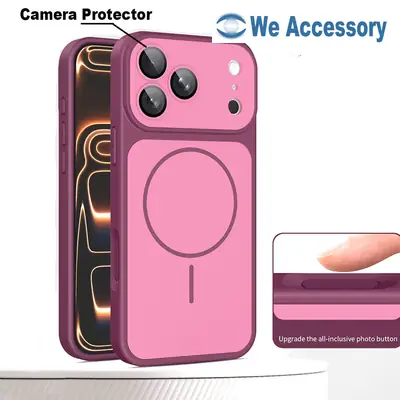
iPhone 18 Pro Max Skin-feeling magsafe case Matte case with build-in camera protection

Recommend Products
-
-
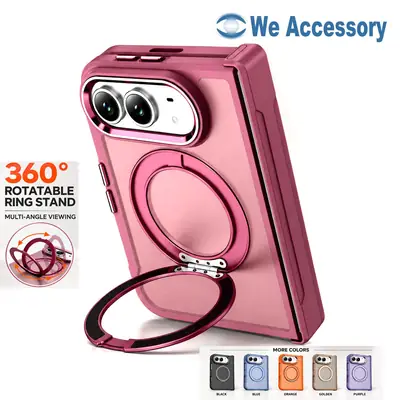 iPhone Duo 360° rotating ring holder case N52 2300 Gauss strong magentic stand case
 -
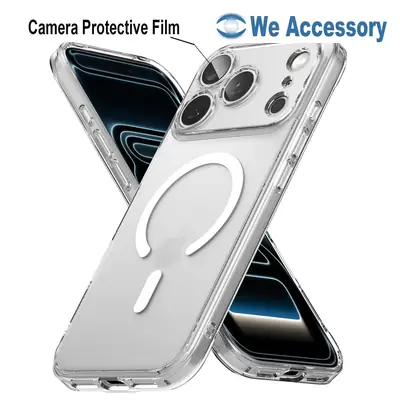 iPhone 18 Pro Clear Magsafe Case build-in camera protector transparent magnetic case
 -
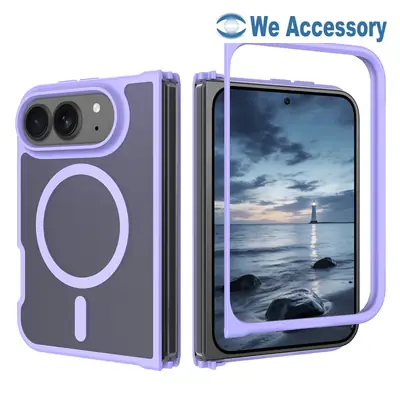 iPhone Duo Matte Magsafe Case Skin-Feeling N52 Strong Magnetic 2in1 Foldable Case
-
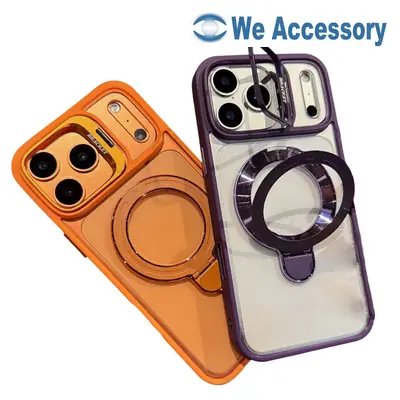 iPhone 18 accessories iPhone 18 Pro 3in1 magnetic holder case camera holder ring holder case
 -
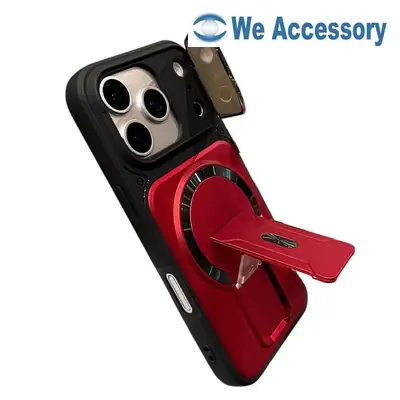 iPhone 18 Pro magsafe holder case glass camera protection and foldable holder case
 -
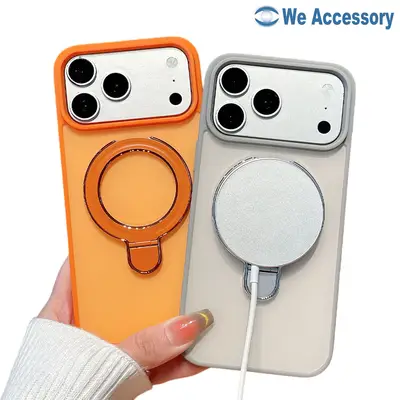 New trend iPhone 18 Pro matte skin-feeling magsafe case ring holder phone holder case
 -
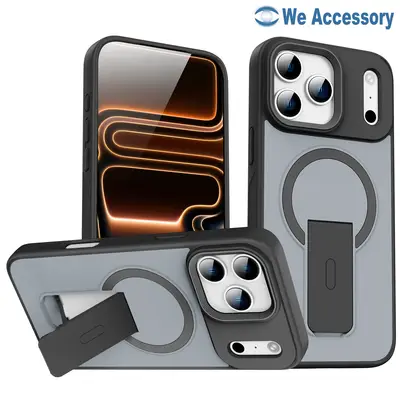 Hot phone accessories iPhone 18 Pro magnetic stand phone case foldable phone holder case
-
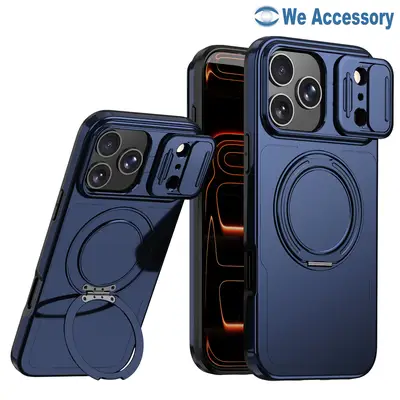 New iPhone 18 Accessories iPhone 18 Pro Ring Holder Case Camera protection Magsafe Case
 -
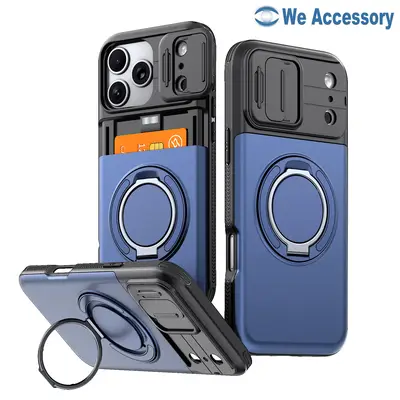 iPhone 18 Pro Max Card Holder Case Magsafe Holder Case Slide Window Camera Protection
 -
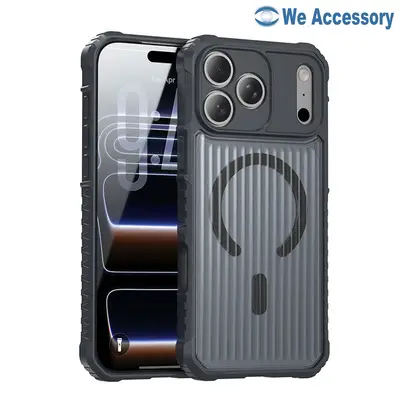 New design iPhone 18 Pro TPU+PC Hybrid Suitcase-Style MagSafe Shatterproof Case
 -
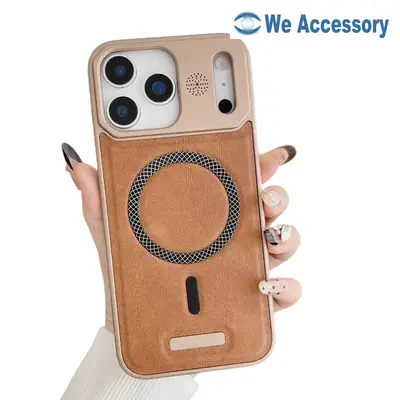 Business demeanor iPhone 18 Pro magsafe leather case 2in1 iphone cover luxury iphone case
-
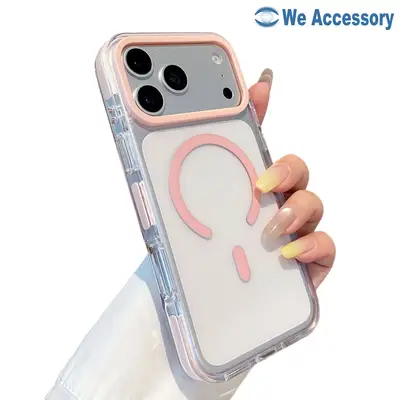 New iPhone Accessories iPhone 18 Pro Clear Magsafe Case double color 2in1 shatterproof case
 -
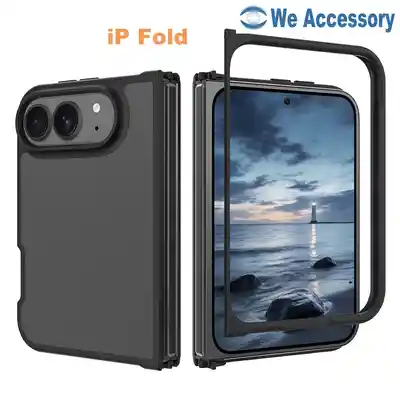 iPhone Case Distributor Newest iPhone Fold Case TPU+PC 2in1 Full Protective iPhone Case
 -
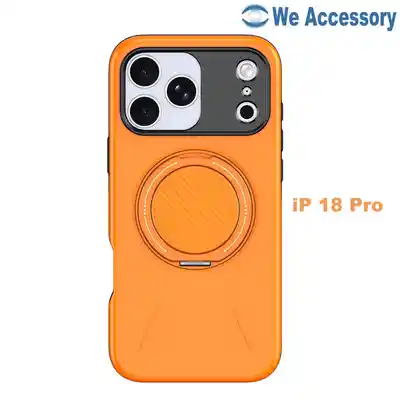 Phone Accessories Company New iPhone 18 Pro Case Magsafe Case with Phone Holder
 -
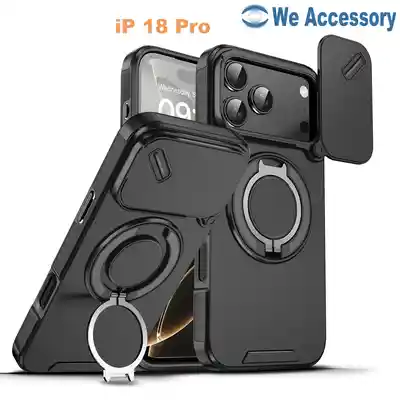 Phone Case Manufacturer New iPhone 18 Pro Max Armor Case Camera Protection and Holer
-
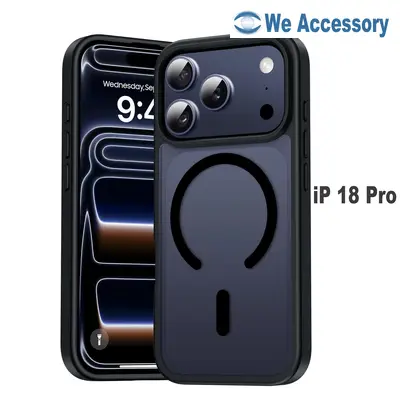 iPhone 18 Accessories Supplier Newest iPhone 18 Pro Case Wholesale Matte magsafe case
 -
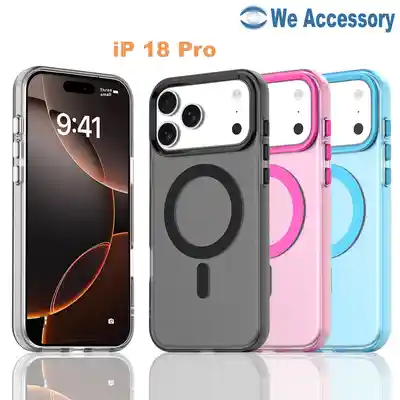 iPhone 18 Pro Case Wholesale Colorful Transparent Magsafe Case New iPhone 18 Pro Case
 -
 Wholesale iPhone 17 Jelly 2 in 1 Magsafe Case colorful silicone iphone case
 -
 Apple iPhone Case Supplier Colorful iPhone 17 electroplated case so cool case
Product Tags
How Tempered Glass Screen Protector Retailers Actually Make Money in 2026
August 07, 2026
I was talking to a phone shop owner in Madrid last month. His screen protector rack sat right by the register — the most valuable shelf space in any retail store. He was selling
about 40 protectors a month at €9 each. That's €360 in revenue. After paying €1.80 wholesale per protector, his gross profit was around €288 a month.
Then we changed one thing: we added a second tier.
A €19 "premium" protector with a thicker glass, better coating, and an installation service. Same cost to him — €2.20 wholesale. But the higher price point meant better perceived value. Within two months, he was selling 25 standard and 25 premium protectors a month. Revenue jumped to €925. Profit to €760. More than double, with the same shelf space and the same foot traffic.
This is the screen protector business in 2026. The product costs pennies. The margins are enormous. The difference between a shop that makes money on protectors and one that doesn't is almost never about the protector itself — it's about pricing tiers, installation service, and how you present the value.
This guide breaks down exactly how screen protectors make money for retailers, wholesalers, and distributors, with real numbers.
Why Screen Protectors Are the Best Margin Product in Mobile Retail
Let's start with the economics. A screen protector is:
Cheap to buy: $0.30-$3.00 wholesale depending on quality
Cheap to ship: Light, flat, stackable — a 10kg box holds hundreds
Cheap to store: No expiration, no temperature sensitivity, no damage risk
Emotionally urgent: When a customer cracks a screen, they want a protector NOW
Frequently replaced: Most customers replace protectors every 3-6 months
Easy to upsell: A $19 protector with installation is an easy yes for most people
Compare that to phone cases: more SKUs, more colors, more sizing complexity, more storage. Screen protectors are simpler on every axis — and the margins are comparable or better.
| Product | Wholesale | Retail | Gross Margin |
|---|---|---|---|
| Standard protector | $0.80 | $9.99 | 92% |
| Premium protector | $1.80 | $19.99 | 91% |
| Privacy protector | $2.50 | $24.99 | 90% |
| Anti-blue light | $2.00 | $19.99 | 90% |
| Camera lens protector | $0.30 | $4.99 | 94% |
Phone cases average 60-75% gross margin. Screen protectors sit at 90%+. That's why every serious mobile accessories retailer pushes protectors.
The Three-Tier Pricing Strategy
The single biggest mistake screen protector sellers make is stocking one tier. A single price point forces every customer into the same decision — and most of them choose the cheapest option.
The three-tier model solves this:
Tier 1: The Entry Protector ($5-$10 retail)
Purpose: Get the customer to the register. Never the primary profit driver.What it is: A basic clear protector, 0.20-0.33mm, standard oleophobic coating. Wholesale $0.50-$0.80.Who buys it: Price-sensitive customers, first-time buyers, people replacing a cracked protector on a budget.Key point: This tier is a loss leader for the next tier. Don't make it so good that customers never upgrade — but don't make it so bad that it generates returns and bad reviews.Tier 2: The Value Protector ($15-$25 retail)
Purpose: The main profit driver. This is where most sales should land.What it is: A quality protector — 0.33mm high-alumina glass, premium coating, good packaging, possibly with an alignment frame. Wholesale $1.20-$2.50.Who buys it: The majority of customers. Once you explain the difference (thicker glass, better coating, anti-yellowing), most people upgrade from Tier 1.Key point: This is the "I don't want to think about it" price point. Not cheap enough to feel low-quality, not expensive enough to require justification.Tier 3: The Premium Protector ($25-$45 retail)
Purpose: Capture the enthusiast and business customer. Lower volume, higher profit per unit.What it is: Privacy glass, anti-blue light, anti-glare, or a combination. Premium packaging. Often includes installation or a warranty. Wholesale $2.50-$4.00.Who buys it: Business professionals (privacy), heavy phone users (blue light), and customers who simply want "the best."Key point: Tier 3 also makes Tier 2 look reasonable by comparison. This is the anchoring effect working for you.The sales pattern you'll see:| Tier | % of Customers | % of Profit |
|---|---|---|
| Entry | 30% | 10% |
| Value | 50% | 60% |
| Premium | 20% | 30% |
The value tier drives the business. The premium tier adds profit. The entry tier brings traffic.
Installation Service: The Hidden Profit Center
Here's the number that surprises most people: installation is where the real money is.
A protector costs the shop $2.00. Sold at $19 with installation, the margin is $17 — all of it profit, because installation takes 3 minutes and costs nothing in materials.
In many markets, the split is even more dramatic:
China: Installation is expected. Shops charge $3-$5 for installation on top of the protector price.
India/Southeast Asia: Installation included in the price, but the protector itself carries a healthy margin.
Europe/North America: Installation is an upsell — $5-$10 extra, and customers happily pay it because they know a bad install wastes a protector.
| Scenario | Protectors Sold | Installation Fee | Extra Monthly Profit |
|---|---|---|---|
| No install service | 50 | $0 | $0 |
| 50% take install | 50 | $5 | $125 |
| 80% take install | 50 | $8 | $320 |
That's $320/month of pure labor profit from a 3-minute service. No product cost. No shipping. No risk.
1. Dust is the enemy. Even skilled people fail installs at home because of dust. A shop with a clean bench and experience succeeds 95%+ of the time.
2. Warranty confidence. Many shops offer "if we install it and it fails, we replace it free." That's a powerful trust signal.
3. Convenience. 3 minutes of someone else's time beats 15 minutes of frustrating DIY.
Bundling: Screen Protector + Case Kits
The second hidden profit lever is bundling.
A customer buys a new phone. They need a case and a protector. Buying them separately at your shop: case $25 + protector $19 = $44. Buying them as a "protection kit": $39. The customer saves $5. You increase the average transaction and move both products.
| Scenario | Revenue | Cost of Goods | Profit |
|---|---|---|---|
| Case only | $25 | $8 | $17 |
| Protector only | $19 | $2 | $17 |
| Separate purchase | $44 | $10 | $34 |
| Bundle at $39 | $39 | $10 | $29 |
| Bundle at $42 | $42 | $10 | $32 |
Even at a $5 discount, the bundle is nearly as profitable as two separate sales — and it happens in one transaction with less labor. The customer leaves with both products instead of possibly skipping the protector.
Bundling also works for wholesalers: Sell cases and protectors as matched sets for specific phone models. Retailers love "one SKU, one order, everything for the iPhone 18 Pro."The Wholesale Side: Margins for Distributors
Now let's look at the money from the wholesale side, because that's where We Accessory operates.
| Layer | Buy Price | Sell Price | Margin |
|---|---|---|---|
| Factory (We Accessory) | — | $1.00 | — |
| Importer/Distributor | $1.00 | $1.80 | 44% |
| Wholesaler | $1.80 | $3.00 | 40% |
| Retailer | $3.00 | $19.99 | 85% |
Every layer makes money. The total markup from factory to retail is about 20x — that's why screen protectors are such a big industry despite being a "small" product.
1. Volume over margin. At $1.00 wholesale with 44% margin, you need volume. A 10,000-unit order at $0.90/unit clears $9,000 in revenue with healthy profit.
2. SKU breadth. The winning wholesalers carry protectors for every model — current flagships, older models, budget Androids, tablets, watches. A customer who can't find their model goes elsewhere.
3. Model readiness. The wholesaler who has iPhone 18 Pro protectors ready on launch day wins the first 30 days of demand, when margins are highest. Late entrants compete on price.
4. Consolidation. One order with 50 SKUs beats ten orders with 5 SKUs each. Shipping costs, customs paperwork, and supplier relationships all benefit from consolidation.
Real Numbers: A Wholesale Case Study
Let's model a realistic wholesale operation importing screen protectors from China.
Setup:First order: 3,000 protectors across 30 SKUs (iPhone 18 Pro, Pro Max, 17 series, Samsung S26, mid-range models)
Average cost: $1.10/unit FOB Shenzhen
Total investment: $3,300 + $400 shipping + $200 customs = $3,900
60% sold to retail shops at $2.00/unit average
30% sold to e-commerce sellers at $1.70/unit
10% retained as samples and buffer
1,800 units × $2.00 = $3,600
900 units × $1.70 = $1,530
Total revenue: $5,130
Revenue $5,130 - cost $3,900 = $1,230 profit on first order
That's a 31% return on investment in about 6-8 weeks
5,000 units at $0.95 average
Sell at same prices → $2,600+ profit per cycle
Reorder every 4-6 weeks → $20,000-$25,000/year from one product line
These are conservative numbers. Many wholesalers push higher margins by focusing on premium tiers.
Seasonal Patterns: When Screen Protector Sales Spike
Screen protector demand follows predictable waves. Smart buyers stock accordingly.
iPhone Launch Season (September-October)
The biggest spike of the year. New iPhone buyers need protectors immediately.
What happens: Protector sales for the new model triple in the first month. Early supply is tight — factories prioritize big customers. Wholesalers with pre-orders capture the highest margins.Action: Place pre-production orders 4-6 weeks before launch. Have inventory ready on day one.Holiday Season (November-December)
Gifting season. Protectors sell as add-ons to new phones and as stocking stuffers.
What happens: Volume is high across all models. Bundles and gift-ready packaging sell well.Action: Stock premium tiers and multi-packs (2-packs, 3-packs) for gifts.New Year / New Phone Resolution Season (January-February)
People get new phones for the new year, especially in Asia.
What happens: Solid sustained demand. Many Chinese New Year purchases.Back to School (August-September in the West)
Students get new phones before the semester.
What happens: Budget and mid-tier protectors sell well. Multi-packs for students who'll go through several.Off-Season (March-July)
Lower volume, but replacement demand continues — cracked protectors, worn coatings, upgrades.
What happens: This is when the three-tier strategy pays off. Premium and privacy protectors hold margins while volume dips.Common Mistakes That Kill Screen Protector Profit
I've watched a lot of retailers and wholesalers lose money on screen protectors. Here are the patterns:
Mistake 1: Competing on Price
A shop in Lyon stocked only $5 protectors and matched every competitor's discount. His margin was 70% — sounds good, but his rent, staff, and time were worth more than the profit he made per protector. He was working hard to sell cheap glass.
Mistake 2: No Installation Service
A shop in London sold protectors but sent customers home to install them. His return rate from "broken during install" was 12%. He also lost cross-sell opportunities.
The fix: Offer installation at checkout. Even $5 reduces returns and adds profit.
Mistake 3: Buying the Cheapest Wholesale
A wholesaler in Colombia bought $0.30 protectors to maximize margin. His retailer customers returned 15% of them for quality issues. The "savings" disappeared in return shipping and lost trust.
The fix: Buy quality. The $0.80 version with good coating and packaging has a 2% return rate. The total cost of a return — shipping both ways, restocking, customer service — is $3-$5. Quality pays.
Mistake 4: Thin SKU Coverage
A wholesaler stocked only iPhone protectors. When a customer asked for Samsung, he sent them elsewhere — permanently.
The fix: Cover the top 20-30 models in your market, not just one brand.Mistake 5: Ignoring the Camera Lens Opportunity
Camera lens protectors are the fastest-growing sub-category. They're cheap ($0.30 wholesale), sell at $5 retail (94% margin), and pair naturally with every phone sale. Many sellers ignore them because they're "too small."
The fix: Add camera lens protectors to every phone bundle.The Retail Display: How Placement Drives Sales
Where you put screen protectors matters enormously.
The register counter is the single best location. It's where customers stand while waiting. It's where impulse purchases happen. It's where the "I should probably get one of those" thought occurs.What works:1. Counter display: A small rotating rack with 10-15 SKUs, price clearly marked. Customers can browse while the cashier processes their phone purchase.
2. Model-specific display: "iPhone 18 Pro Protectors" labels. Customers with that phone immediately find their fit.
3. Before/after visual: A phone with a cracked screen next to the display. One glance communicates why protection matters.
4. Touch samples: Let customers feel the difference between tiers. The premium protector feels smoother and thicker. That tactile difference sells the upgrade.
5. Installation station visible: If customers can see the clean bench where you install protectors, they'll add installation to their purchase.
Multi-Packs and Subscription Models
One more profit lever: multi-packs.
A single protector at $19. A 2-pack at $34. A 3-pack at $45.
Why multi-packs work:Customers know they'll need a replacement eventually
The per-unit price feels better (even though margin per pack is higher)
Fewer transactions, higher average order value
Perfect for the "I'll keep one in my bag" customer
Some shops even run protector subscription programs: "Pay $30/year, get unlimited protector replacements." It's sticky, it builds loyalty, and the math works because customers replace protectors 2-4 times a year max.
Selling to B2B Customers: The Office/Business Channel
Businesses are an overlooked screen protector market.
Company phones: Many companies issue phones to employees. They need bulk protectors.
Field workers: Delivery, construction, service techs — their phones take abuse. They replace protectors constantly.
Trade-in programs: Phone trade-in companies recondition devices and need protectors for resale.
This is a higher-touch sale, but the margins hold and the accounts are repeat.
Building Your Own Screen Protector Brand (Private Label)
The final step for ambitious wholesalers: private label.
Instead of selling generic protectors, put your brand on them. The protectors are identical — what changes is the packaging, the brand, and the price you can charge.
The process with We Accessory:1. Choose your protector line (standard, premium, privacy, etc.)
2. Design your packaging (we produce custom retail boxes, card inserts, polybags)
3. We print your logo on the glass edge if desired
4. We produce with your brand on the box
5. You sell a branded product at branded prices
| Generic | Branded | |
|---|---|---|
| Wholesale cost | $1.50 | $1.90 |
| Retail price | $19.99 | $29.99 |
| Retailer margin | $18.49 (92%) | $28.09 (94%) |
| Perceived value | Commodity | Premium |
Branding transforms a commodity into a premium product. Same glass, same factory, different packaging — and 50% more retail margin.
Frequently Asked Questions
Q: How much does a screen protector cost wholesale?A: From $0.30 for budget clear glass to $4.00+ for premium privacy or combination protectors. The sweet spot for quality-and-value is $0.80-$2.50.
Q: What's the minimum order quantity?A: At We Accessory, in-stock models: 20-50 pieces. Customized models: 100-500 pieces. Sample orders (5-10 units) always available first.
Q: How long does a screen protector last?A: Quality protectors with premium coating last 6-12 months before the coating wears noticeably. The glass itself lasts until cracked or heavily scratched.
Q: Is installation really worth charging for?A: Yes. It's 3 minutes of work, costs nothing in materials, and adds $5-$10 of pure profit per sale while reducing returns.
Q: What's the best markup for screen protectors?A: 5-10x from wholesale to retail. A $1.50 protector retails at $9.99-$19.99. Anything less than 4x is leaving money on the table.
Q: How many SKUs should a wholesaler carry?A: Cover the top 20-30 models in your market. For each model, carry at least 2 tiers (standard + premium). That's 40-90 SKUs minimum for a serious operation.
Q: Do you offer private label packaging?A: Yes. Custom retail boxes, card inserts, polybags, and logo printing on glass. Minimum 500 units per design.
The Bottom Line
Screen protectors are the quiet profit engine of the mobile accessories industry. They cost cents, sell for dollars, carry 90%+ margins, and get replaced every few months by design.
The retailers and wholesalers who make real money follow the same playbook:
1. Three tiers — entry, value, premium
2. Installation service — pure profit
3. Bundles — higher average transaction
4. Quality products — low return rates protect margins
5. Model coverage — every popular phone, every tier
6. Private label — turn commodity into brand
Whether you're a retailer adding a second tier, a wholesaler building SKU breadth, or an entrepreneur starting a private label line — the math works. The product is cheap, the margins are huge, and the demand is constant.
We Accessory has been manufacturing screen protectors since 2012. We know the costs, the quality factors, and the market. If you want to talk tiers, packaging, or private label — email [email protected] or WhatsApp +86-15919800304. We're happy to share the numbers.
— From the team at We AccessorySelling Screen Protectors Online: E-Commerce Playbook
Online sales follow different rules than in-store. But the profit potential is even larger — no rent, no staff, national reach. Here's what works in 2026.
Platform Strategy by Region
| Platform | Best For | Key Dynamic |
|---|---|---|
| Amazon | US, UK, DE, FR, IT, ES, JP | FBA means Amazon handles storage and shipping |
| eBay | Global, used devices, accessories | Lower fees than Amazon, good for bundles |
| AliExpress | Global, price-sensitive | You can be the seller OR the supplier |
| Shopee | SEA, Latin America | Live-streaming sales are huge |
| Lazada | SEA | Strong in Vietnam, Philippines, Thailand |
| MercadoLibre | Latin America | The Amazon of LatAm |
| TikTok Shop | Global | Short video + impulse buying |
| Own store (Shopify) | Brand building | Highest margins, you handle everything |
The Amazon Math
Amazon is where most online screen protector sellers start. The economics are different from retail:
FBA selling (using Amazon's fulfillment):| Item | Amount |
|---|---|
| Wholesale cost | $1.50 |
| Amazon referral fee (15%) | $3.00 (on $19.99 price) |
| FBA fulfillment fee | $3.50 |
| Storage (approx) | $0.20 |
| Total cost | $8.20 |
| Selling price | $19.99 |
| Profit per unit | $11.79 (59%) |
Less than the 90% retail margin, but you're selling to millions of customers without rent or staff. Volume compensates.
Bundles That Sell Online
Online bundles work differently than in-store. The winner in 2026:
2-pack clear protectors — "One for now, one for later" (reduces per-unit cost perception)
3-pack with installation kit — Protector + wipes + dust stickers + alignment frame
Phone + watch protector combo — Cross-device bundles
Family pack — 2 phone protectors + 2 camera lens protectors
Return Rates: The Hidden Profit Killer
Here's a number that separates profitable screen protector sellers from struggling ones: return rate.
The economics of a return:| Item | Cost |
|---|---|
| Return shipping (seller-paid) | $4.00 |
| Refund processing | $0.50 |
| Restocking labor | $1.00 |
| Product write-off (used protector) | $1.50 |
| Total per return | $7.00 |
At a $11.79 profit per Amazon unit, one return wipes out the profit of 0.6 sales. A 10% return rate doesn't mean 10% less profit — it means roughly 16% less profit. A 20% return rate eats a third of your margin.
1. Installation failure — bubbles, dust, misalignment (60% of returns)
2. Quality issues — scratches, coating failure, yellowing (25%)
3. Wrong fit — model mismatch, wrong size (15%)
Include an alignment frame — reduces install failures by 60%+
QR code to installation video — we've seen 35% return reduction
Clear model compatibility — "Compatible with iPhone 18 Pro ONLY" not vague wording
Quality glass — high-alumina, proper tempering, real oleophobic coating
Packaging protection — protectors arrive cracked if packaging is weak
Inventory Management: Don't Overstock, Don't Understock
Screen protectors are cheap, but dead inventory still costs money. A 10,000-unit warehouse full of protectors for discontinued models is $10,000 of sunk cost.
The 80/20 Rule in Practice
In our wholesale data, the pattern is consistent:
20% of models generate 80% of sales (current iPhone + flagship Samsung)
The top 5 models (iPhone 18 Pro, Pro Max, 17 Pro, S26 Ultra, S26) account for 60%+ of volume
Older models (2+ generations back) sell slowly but have loyal niches
Stocking Guidelines
| Model Age | Inventory Level | Notes |
|---|---|---|
| Current flagship | High (30-60 days supply) | Launch demand spikes |
| Last generation | Medium (15-30 days) | Steady replacement demand |
| 2 generations old | Low (10-15 days) | Niche only |
| 3+ generations | Minimal/clear | Discount or bundle out |
The Discount Cycle
Protectors don't expire, but demand does. When a model ages:
1. Month 1-2 after new model launch: Cut price 20% to move stock
2. Month 3-4: Bundle with current models as "compatibility pack"
3. Month 5+: Wholesale the remainder to discount sellers at cost
Private Label Deep Dive: From Commodity to Brand
We touched on private label earlier. Let's go deeper because it's the single biggest opportunity in the screen protector business.
The Brand Premium
| Generic | Private Label | |
|---|---|---|
| Wholesale cost | $1.50 | $1.90 (packaging) |
| Wholesale price to retailers | $2.50 | $4.50 |
| Your wholesale margin | $1.00 (40%) | $2.60 (58%) |
| Retail price | $19.99 | $29.99 |
The brand roughly doubles both the price you can charge and your margin. The glass is identical — the difference is perception.
What Makes a Screen Protector Brand Work
1. A real brand name, not a description. "ShieldMax Pro" beats "Premium 9H Tempered Glass" because it's memorable and ownable.2. Consistent packaging. A distinctive box color, a logo, a quality feel. Customers buy the box first.3. A clear promise. "Crystal Clear. Guaranteed." "No yellowing for 12 months." A specific, testable claim builds trust.4. Reviews and proof. Before/after photos, drop test videos, installation videos. Social proof sells protectors.5. Retail presence. Amazon listings, Shopee stores, retail shelf placement. A brand is only a brand if people can find it.The Private Label Process with We Accessory
1. Choose your line — standard, premium, privacy, anti-blue light, multi-packs
2. Design your packaging — we produce custom retail boxes, card inserts, polybags
3. Logo on glass — silkscreen printing on the edge or under the coating
4. Sample approval — we ship samples of the branded product for your review
5. Production — 500 units minimum per design, 7-15 days
6. Sell — you now have a branded product line
Wholesale Buying Checklist: 10 Questions Before You Order
Whether you're a retailer stocking protectors or a wholesaler importing them, ask these questions:
Quality:1. What's the glass material? (High-alumina 18-22% Al₂O₃ preferred)
2. How long is the tempering cycle? (2 hours minimum, 4 is premium)
3. What's the AB glue thickness? (180AB standard, 280AB for curved screens)
4. Is the oleophobic coating verified? (Ask for rub-cycle data, 10K+ preferred)
5. What's the MOQ per model? Per SKU?
6. Can I mix models and tiers in one order?
7. What's the lead time for production? For reorders?
8. What certifications are included? (CE, RoHS, FCC)
9. What's the defect/replacement policy?
10. Can I get samples first? (Always yes — if not, walk away)
The 2026-2027 Outlook: Where the Money Is Going
The screen protector market keeps growing. Here's what we're watching:
1. Privacy glass growth. Remote work and public-space usage continue driving privacy protector demand. It's now a mainstream tier, not a niche.2. Combination protectors. Privacy + anti-glare, blue light + privacy — features are stacking. These command premium prices.3. Camera lens protectors. The fastest-growing sub-category. Cheap to buy, high margin, sells alongside every phone.4. Sustainable options. Recycled glass and biodegradable packaging are arriving. Europe is leading demand.5. Service-based retail. More shops are moving from "sell a product" to "sell protection as a service" — installation, warranty, replacement programs.6. Private label growth. More sellers are branding their own protectors as the generic market saturates.The money is in tiers, service, bundles, and brands. The protectors themselves are cheap — the value is in how you package, price, and present them.
Frequently Asked Questions — Part Two
Q: How do I start selling screen protectors with no inventory?A: Dropshipping is the entry point. List protectors, order from a supplier when you get orders. Lower margin but zero inventory risk. Move to stock once you validate demand.
Q: What's a good first order for a new wholesaler?A: 2,000-3,000 units across 15-20 SKUs, focused on current flagships. Budget $2,500-$4,000 total including shipping.
Q: Should I sell protectors as a standalone product or bundle?A: Both. Standalone for the straightforward buyer, bundles to raise the average order value. Most shops do 50/50.
Q: How much should I charge for installation?A: $5-$10 in Western markets, included in price in Asian markets. Even free installation as a differentiator beats "customer installs it themselves" — you control the quality and sell the upsell.
Q: Can I make money selling protectors on Amazon?A: Yes, but it's a different game — listing optimization, reviews, and PPC ads matter more than product quality for initial traction. Margin is 50-60% vs 90% in retail, but volume is national.
Q: Do you ship internationally?A: We ship to 50+ countries. Major markets: US, UK, Germany, France, Italy, Spain, Poland, Brazil, Mexico, UAE, Saudi Arabia, Nigeria, South Africa, Thailand, Indonesia, Vietnam, Australia, Japan. If your country isn't listed, ask.
Q: What's your defect policy?A: Pre-inspected before packing. 3% defect allowance — beyond that, free replacement. Claims within 15 days with photo evidence.
Final Word
Screen protectors are the best-kept secret in mobile accessories. They cost cents to make, sell for dollars, carry 90%+ retail margins, and get replaced every few months by design. The products that retailers and wholesalers most underestimate are the ones that quietly pay the rent.
The playbook is simple: three pricing tiers, installation service, bundles, quality products that don't generate returns, full model coverage, and private label branding for the ambitious. Follow it and the screen protector line becomes your most profitable shelf space.
If there is one takeaway from this entire guide, it is this: the protector itself is almost never the problem or the opportunity. The opportunity is in how you present it — the tier you place it in, the service you attach to it, the brand you put on it, and the bundle you sell it with. Two shops selling the exact same $1.50 protector can have wildly different profits, purely because of how they position the sale. That is the entire game.
The same logic applies whether you sell one protector a day from a kiosk or ten thousand a month through a national distributor. The product is a commodity. The presentation is the business. Get the presentation right, and the screen protector becomes the most dependable profit line you carry — through launch seasons, holiday spikes, and the quiet months in between. It works at every scale, in every market, and for every seller willing to treat it as a real business.
We Accessory manufactures screen protectors in Shenzhen — clear, privacy, anti-glare, anti-blue light, and combination protectors, with private label options. If you want to talk numbers, samples, or packaging, email [email protected] or WhatsApp +86-15919800304.
— From the team at We Accessory
Share:


Why Choose We Accessory
12+
Years Experience
2000+
Product SKUs
50+
Countries Served
OEM
& ODM Service
2-4
Day Delivery
Professional Phone Accessories Wholesale Supplier
We Accessory is a trusted phone accessories wholesale supplier since 2012. We specialize in phone case, tempered glass screen protector, USB cable, charger and more mobile accessories wholesale, serving customers in 50+ countries worldwide.
Frequently Asked Questions
Where is We Accessory located?
We are located in Shenzhen
What products do you offer?
We offer phone cases, screen protectors, USB cables, chargers and more mobile accessories for all major brands.
Do you offer OEM/ODM services?
Yes, full OEM and ODM customization with your logo, packaging and designs.
What is your shipping time?
In-stock items ship in 2-4 business days via DHL/UPS/FedEx. Custom orders 5-7 days production plus shipping.
We Accessory (WeAccessory.com)
Address:2F, Block A2, Nanchang Industrial area, Xixiang Town,Bao'an District, Shenzhen
Tel: +86-755-36818832
Mobile/Whatsapp: +86-15919800304
Email: [email protected]
Microsoft Teams: william.shaw186
Product Tags
Contact us Now!
Please send us your Email address if you'd like some products



Copyright © 2012-2026 Shenzhen Western Electronic Co., Ltd All Rights Reserved. Sitemap | Best Phone Case Wholesale, Tempered Glass Screen Protector, USB Charger, Cable, other Mobile Accessories Wholesale