English
 Français
 Deutsch
 Español
 Italiano
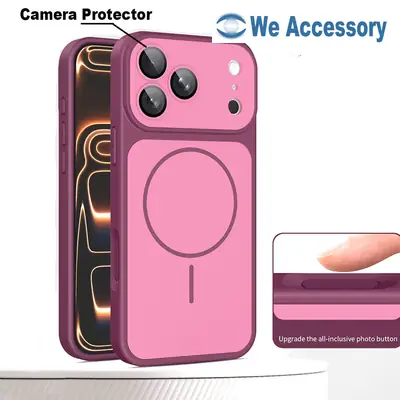
iPhone 18 Pro Max Skin-feeling magsafe case Matte case with build-in camera protection

Recommend Products
-
-
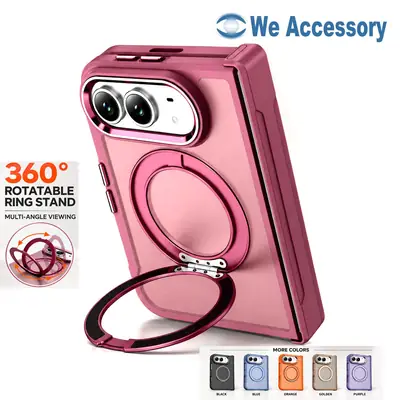 iPhone Duo 360° rotating ring holder case N52 2300 Gauss strong magentic stand case
 -
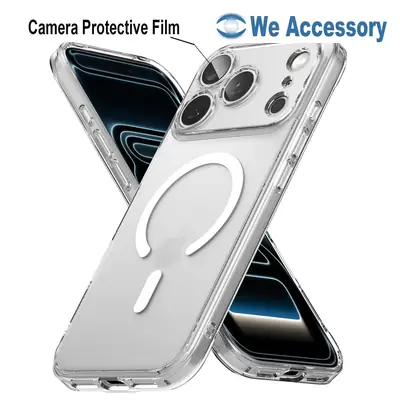 iPhone 18 Pro Clear Magsafe Case build-in camera protector transparent magnetic case
 -
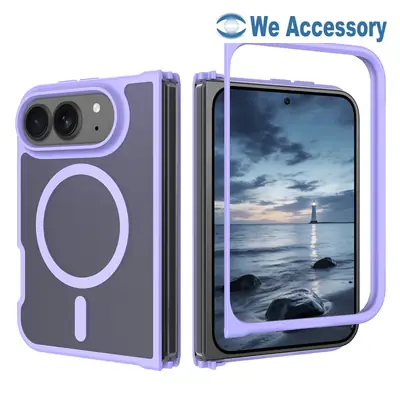 iPhone Duo Matte Magsafe Case Skin-Feeling N52 Strong Magnetic 2in1 Foldable Case
-
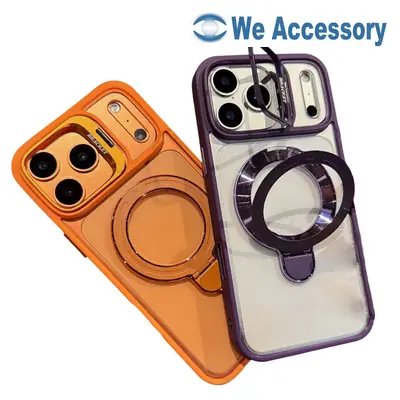 iPhone 18 accessories iPhone 18 Pro 3in1 magnetic holder case camera holder ring holder case
 -
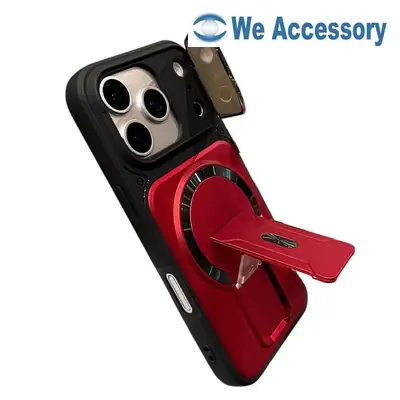 iPhone 18 Pro magsafe holder case glass camera protection and foldable holder case
 -
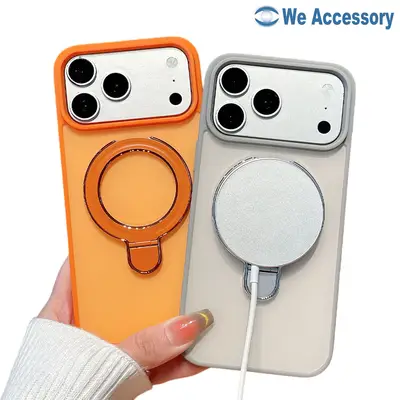 New trend iPhone 18 Pro matte skin-feeling magsafe case ring holder phone holder case
 -
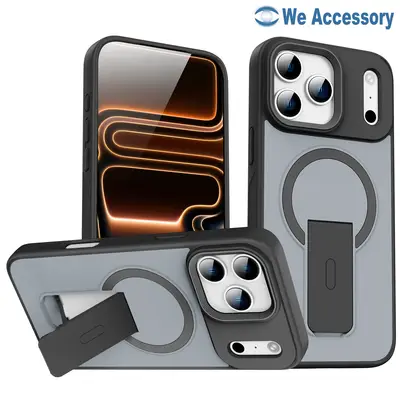 Hot phone accessories iPhone 18 Pro magnetic stand phone case foldable phone holder case
-
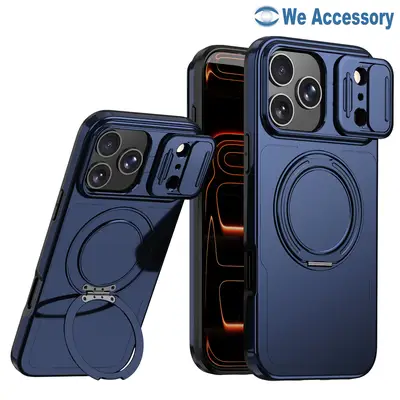 New iPhone 18 Accessories iPhone 18 Pro Ring Holder Case Camera protection Magsafe Case
 -
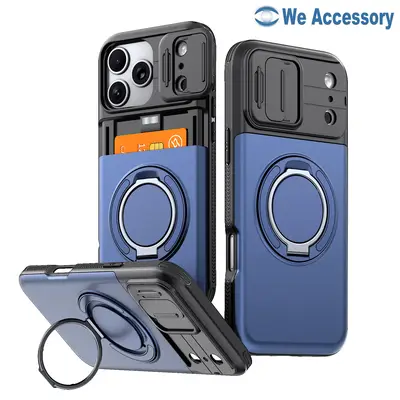 iPhone 18 Pro Max Card Holder Case Magsafe Holder Case Slide Window Camera Protection
 -
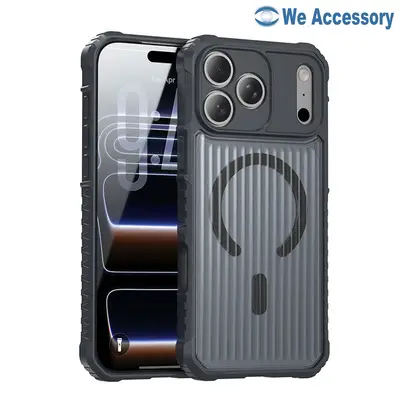 New design iPhone 18 Pro TPU+PC Hybrid Suitcase-Style MagSafe Shatterproof Case
 -
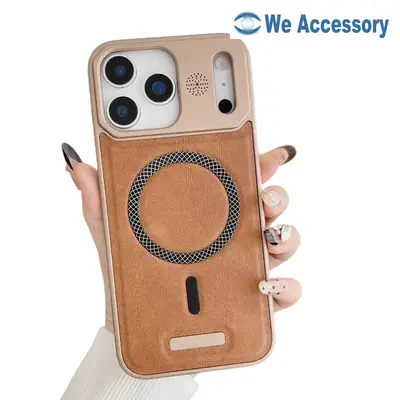 Business demeanor iPhone 18 Pro magsafe leather case 2in1 iphone cover luxury iphone case
-
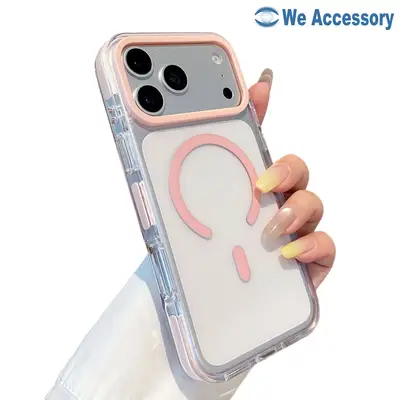 New iPhone Accessories iPhone 18 Pro Clear Magsafe Case double color 2in1 shatterproof case
 -
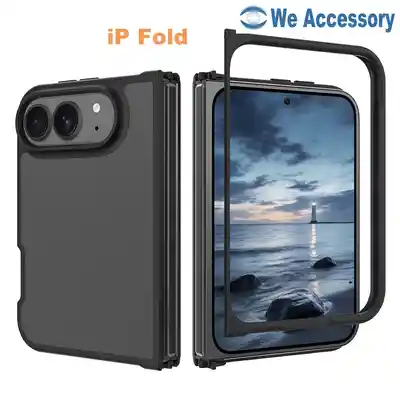 iPhone Case Distributor Newest iPhone Fold Case TPU+PC 2in1 Full Protective iPhone Case
 -
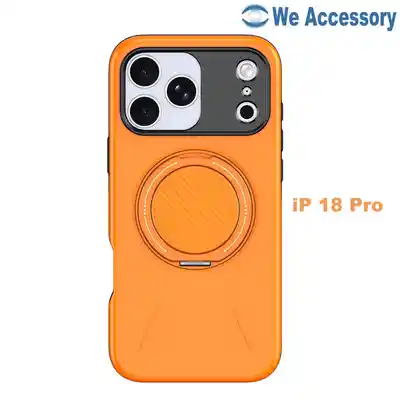 Phone Accessories Company New iPhone 18 Pro Case Magsafe Case with Phone Holder
 -
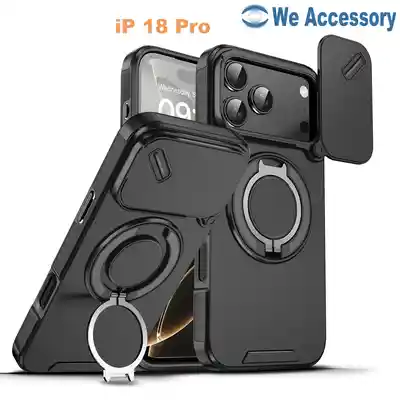 Phone Case Manufacturer New iPhone 18 Pro Max Armor Case Camera Protection and Holer
-
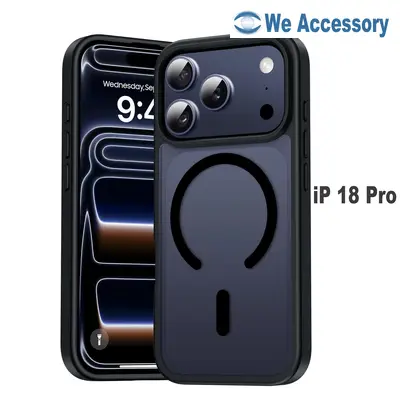 iPhone 18 Accessories Supplier Newest iPhone 18 Pro Case Wholesale Matte magsafe case
 -
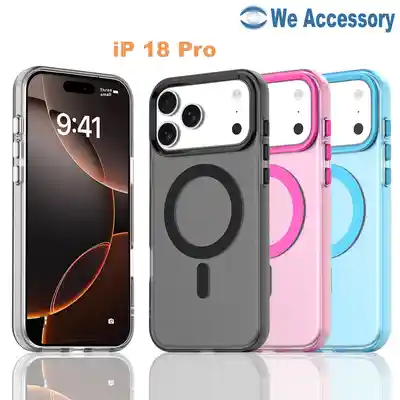 iPhone 18 Pro Case Wholesale Colorful Transparent Magsafe Case New iPhone 18 Pro Case
 -
 Wholesale iPhone 17 Jelly 2 in 1 Magsafe Case colorful silicone iphone case
 -
 Apple iPhone Case Supplier Colorful iPhone 17 electroplated case so cool case
Product Tags
3D Curved, Privacy, Matte Screen Protectors, The Wholesale Sub Categories Your Catalog Is Missing
August 12, 2026
A few weeks ago I got a call from a wholesaler in Warsaw. Let's call him Tomek. He runs a decent accessories distribution business — five staff, a warehouse full of standard tempered glass, steady monthly volume. He called because a customer had walked into his showroom, asked for something specific, and walked out again when he said no.
The request wasn't exotic. A chain of currency exchange offices in Warsaw had a problem: their tellers work behind glass partitions, and customers standing at the counter can read the teller's screen upside down. They wanted privacy protectors. Not "something like that, if you have it" — a real order, 400 pieces, recurring every quarter. Tomek had standard 9H glass in every size you can imagine. He had nothing with an angle limiter on it. He said "we can order something like that" and the buyer shrugged and went to a competitor two streets away.
That's the whole story of the screen protector market in one anecdote. The standard product is saturated, the margins are squeezed, and the interesting money is sitting in sub-categories most wholesalers never stock. This article is about the three sub-categories I keep seeing distributors leave on the table — 3D curved full-coverage glass, privacy protectors, and matte anti-glare film — and how to actually make money selling them.
Why the boring SKU is the most expensive one you carry
Let me be blunt about the economics of standard tempered glass in 2026. A basic 9H protector for a current iPhone model costs a wholesaler somewhere between eighty cents and a dollar fifty. You sell it to shops at a dollar sixty to two dollars. The shop retails it at ten to fifteen euros. Everyone in the chain makes a little money, nobody makes a lot, and the product is interchangeable — which means the only thing your customer compares is price.
I've watched this play out across half of Europe. When three suppliers are quoting the same flat glass at the same quality level, the buyer picks the cheapest one, and next quarter your competitor undercuts you by three cents and the order moves. There is no loyalty in a commodity, and standard protectors have been a commodity since roughly 2019.
Now look at what the same customer does when the request is specific. Tomek's exchange-office buyer was ready to pay a premium for privacy glass — they'd been quoted by three suppliers, and the difference between the highest and lowest was less important than getting a product that actually blocked the viewing angle. A customer who needs a specific sub-category is a customer who cannot substitute. That's the definition of pricing power.
Here's the number that matters: in the categories below, the wholesale price sits at two to four times the price of standard glass, and the margin percentage is higher, not lower. You sell fewer units and make more money per unit, and you pick up customers who would never buy standard glass from you in the first place. The sub-categories are not a sideline. For a growing number of distributors in Western Europe, they're the profitable half of the catalog.
The three sub-categories, up close
Before the numbers, let me describe the products properly, because the naming is a minefield and half the confusion in this market comes from suppliers using the same words for different things.
3D curved full-coverage glass — the one that looks like no protector at all
The biggest technical change in phone screens over the last few years is that edges got curved. Flagship phones — think the current iPhone generation with its rounded glass, and the Samsung Galaxy line with its true curved edges — don't have flat fronts anymore. A flat protector laid on a curved screen leaves an air gap at the edges, which shows up as a white rim and collects dust. That's the "white border" problem every shop assistant has had to explain away for years.
The industry's answer is what's loosely called 3D curved glass. But "3D" gets thrown around so loosely that it's nearly meaningless. There are two very different products hiding under the same label:
The real 3D category is where the margin lives, and it's also where the installation skill requirement lives — more on that later, because it's both the biggest obstacle and the biggest opportunity.
Privacy protectors — the angle limiter
Privacy glass does one thing: it limits the viewing angle. From directly in front, the screen looks normal. From the side — past roughly thirty degrees — the screen goes dark or shows a blurry, unreadable smear. The technology is a micro-louver layer inside the glass, like tiny blinds, that lets light through straight-on and blocks it at an angle.
Who buys this stuff? It's a much bigger market than people assume. The obvious customers are banks, currency exchanges, law offices, and anyone handling personal data in public — that's Tomek's exchange offices, and it's also insurance agencies, pharmacies, travel agencies, and the finance desks in every office tower. Then there's the commuter market: anyone who takes the metro or the tram with their phone out is a candidate, because half the point of a smartphone on public transport is that the person next to you can't see your screen. In denser cities — London, Paris, Frankfurt — privacy protectors sell steadily year-round, and unlike fashion-driven case sales, they're not seasonal.
The catch that matters for wholesalers: privacy glass has a reputation problem. Cheap privacy protectors cut brightness noticeably and make the screen look dim, which puts off first-time buyers. Good ones use a higher-grade louver film that only drops brightness a little. Your customers will judge the whole category by the first sample they try, so the quality of what you stock decides whether your shops reorder or quietly drop the line.
Matte anti-glare — the outdoor and creator niche
Matte protectors have an anti-glare (AG) coating that diffuses reflections. Instead of a mirror finish, you get a soft, slightly textured surface that kills fingerprints almost entirely and lets you use the phone in direct sunlight without squinting at your own reflection.
Who buys these? Three groups, and they're all reliable repeat buyers. First, outdoor workers — delivery drivers, couriers, field technicians, surveyors, anyone who uses a phone as a work tool in daylight. Second, people who draw or take notes on their phone or tablet with a stylus, because matte surfaces give that paper-like drag instead of a slippery glass glide. Third, photographers and video creators, who hate reflections in the frame when they're composing shots.
Matte protectors have their own trade-off: the texture slightly reduces sharpness and adds a faint grain, and some people hate that. But the people who need matte don't care, because the use case is stronger than the downside. And here's the lovely part for a wholesaler: matte buyers are typically buying for work, so they're less price-sensitive, and they replace their protector more often because the matte coating wears down with heavy use. A delivery driver is a subscription customer, whether you realize it or not.
What these actually cost — and what you can charge
Let me put real numbers on the table. These are the ranges we see across the European wholesale market in 2026, not aspirational numbers. Your local figures will move a little, but the shape of the table is stable.
| Product | Typical wholesale cost | Typical wholesale price | Typical retail price | Wholesaler gross margin |
|---|---|---|---|---|
| Standard 9H flat glass | €0.80 – 1.50 | €1.60 – 2.00 | €10 – 15 | 35 – 45% |
| 2.5D black-edge glass | €0.90 – 1.60 | €1.70 – 2.20 | €10 – 15 | 35 – 45% |
| True 3D curved (UV) | €2.20 – 3.50 | €4.00 – 6.50 | €19 – 29 | 45 – 55% |
| Privacy protector | €1.60 – 2.80 | €3.20 – 5.00 | €15 – 25 | 45 – 55% |
| Matte anti-glare | €1.40 – 2.40 | €2.80 – 4.20 | €13 – 20 | 45 – 55% |
Three things jump out of that table. First, the sub-categories carry a 45 to 55 percent gross margin at wholesale, a full ten points above standard glass — and that's before you factor in that you're not in a price war on them, because most of your competitors aren't stocking them at all. Second, the retail prices leave your shops plenty of room — a shop that sells a 3D curved protector at €24.90 is making a serious margin on it, which is why shops are usually the ones pushing wholesalers to stock these, not the other way around. Third, the unit economics work even at modest volume: selling 200 true 3D protectors a month at €4.50 wholesale each is roughly the same gross profit as selling 500 standard protectors at €1.80 — with a tenth of the competition and none of the race-to-the-bottom pricing.
Now, the honest part about the cost side. True 3D glass costs more to make because it's actual curved glass with a precision cut, and the UV adhesive kits add a packaging cost that flat glass doesn't have. Privacy and matte cost more because of the coating layers. If you're buying from a supplier who quotes you the same price for "3D" as for flat glass, you are buying the fake 3D, full stop — there is no way to make real curved glass for flat-glass money. Learn to tell the difference at the sample stage, because your reputation with your shops depends on it.
The installation question — the moat you didn't ask for
Here's the thing that keeps a lot of wholesalers away from the 3D curved category, and it's worth addressing head-on because it's also the reason the category is still profitable.
True 3D glass needs a UV cure to install. The process: clean the screen, apply a few drops of liquid adhesive, lay the curved glass on top, let the adhesive spread, position it perfectly, then hit it with a UV lamp for sixty to ninety seconds. Done right, it's a beautiful install — no bubbles, no white edges, looks factory. Done wrong, the adhesive gets uneven, the lamp isn't strong enough, or the position shifts mid-cure, and you get a ruined protector and an annoyed customer.
So yes, there's a skill requirement. But here's what most wholesalers miss: that skill requirement is a moat, not a burden. A shop that installs 3D curved glass properly can charge an installation fee on top of the product — we see shops adding €5 to €8 for the service — and that turns the protector from a commodity into a service moment, exactly like the tempered glass install trend that swept Southern Europe a few years ago. The shops that invest in the UV lamp and five minutes of training get a category their competitors literally cannot sell.
For the wholesaler, the practical implication is that you should be selling the system, not just the glass: the protectors, the UV lamps, and a thirty-second training video your shops can play on their phone. The lamp is a tiny accessory with a healthy margin and it locks the shop into your product line, because once they've got the workflow down with your glass, they don't switch suppliers lightly. I'll come back to this, because it's the single most underused trick in this whole category.
Stories from the field
Let me give you three real situations that show how these sub-categories behave in the wild. The names and cities are real enough that the buyers would recognize themselves; the numbers are what actually happened.
The exchange office, Warsaw. You already met Tomek. After the walk-out, he did what good wholesalers do — he chased the problem. He found a privacy protector supplier, got samples, and went back to the exchange-office buyer with three options in hand: a basic privacy film, a mid-range privacy glass, and a premium one with better brightness retention. The buyer tested all three at the counter, picked the mid-range, and placed the order — 400 pieces, plus a standing quarterly reorder. The interesting detail: Tomek charged €3.60 per piece wholesale, which was almost twice what he'd been getting for standard glass, and the buyer never flinched, because the alternative was buying from a supplier who'd already annoyed them once. Privacy protectors are now about a sixth of Tomek's monthly revenue, on a fraction of his SKU count.The repair chain, Barcelona. A phone repair chain with nine locations across the city started offering 3D curved glass as their "premium" screen protection option. The owner told me the margin story plainly: the glass cost them €4.80 at wholesale, they charged €34.90 installed — that's the product plus installation — and the customer walked out happy because the result looked like the phone had never been touched. Their install rate on the premium option was around thirty percent of all protector sales within two months, and here's the kicker: customers who bought the 3D curved install were far more likely to come back to that chain for their next repair, because they'd seen the skill on display. The service moment built loyalty the flat glass never did.The courier fleet, Frankfurt. A distributor I know supplies accessories to a courier company with about 300 riders. The riders' phones live on handlebar mounts, in daylight, for eight hours a day — a perfect matte use case. The distributor pitched matte protectors as a fleet item and closed a deal for 600 pieces with a six-month reorder. The courier company loved it because the riders stopped complaining about glare and fingerprints; the distributor loved it because it's now a recurring order that none of his local competitors can easily poach — they'd have to stock matte, train their own shops, and match the price, and for a line this size nobody bothers. Recurring, low-effort, off the price-war grid: that's the matte niche in one story.
How to start without betting the warehouse
The mistake I see wholesalers make when they finally decide to stock sub-categories is ordering like they're a department store — a little of everything, spread across too many SKUs, and then wondering why nothing moves. The right way to enter is narrow and deliberate.
Start with one sub-category, not three. Which one depends on your market. If you sell to repair shops and phone shops with install counters, start with true 3D curved glass — you have the right customers for it, and the install skill makes you sticky. If you sell to business-adjacent retail — kiosks in business districts, tech shops near office towers, telecom stores — start with privacy. If you sell to shops that serve commuters and outdoor workers, start with matte. One category, done properly, beats three categories done thinly.
For the SKU spread, resist the urge to cover every model. For 3D curved, cover the current flagship generation of iPhone and Samsung plus the previous generation, and nothing else — those are the phones whose owners actually pay for premium protection, and every other model can be special-ordered. For privacy and matte, the same rule applies, and you can be even leaner: the top two or three selling models of each major brand cover the vast majority of demand.
Then the part everyone forgets: samples. Before you commit to a supplier's bulk order, buy samples and test them yourself. Install the 3D curved glass on a real phone with a real UV lamp. Put the privacy protector on and view it from the angle. Run your thumb across the matte surface. If you wouldn't put the product on your own phone, your shops will feel the same way, and the category will die quietly on your shelf.
The traps that kill sub-category programs
I've watched enough of these programs go sideways to know the failure modes. They're predictable, and they're all avoidable.
The shops that get the full package sell the category; the ones that get bare glass burn it.Treating privacy and matte as price-sensitive commodities. They're not. The buyers are solving a specific problem — screen privacy, daylight readability — and they'll pay for a product that solves it. If you position these next to standard glass in your price list with nothing to say about them, your shops won't know who to sell them to, and they won't move. A one-line use case per product in your catalog ("for commuters," "for outdoor work") is enough to change how your sales team talks about them.Over-ordering on the first round. Sub-categories grow, but they don't explode. A first order that covers two months of conservative demand is right; a first order that fills half the warehouse is how dead stock happens. Reorder in smaller, faster cycles until you can see the real run rate.
Ten facts about the screen protector sub-categories
A quick-reference list for when you need to convince a shop owner, a buyer, or yourself. These are the numbers I cite most often, and they hold up across the markets we track.
1. Standard 9H flat glass is a commodity — margin sits at 35–45% wholesale and erodes every year as buyers compare prices.
2. True 3D curved glass carries 45–55% wholesale margin, roughly ten points above flat glass, with a fraction of the competition.
3. Most "3D" protectors on the market are actually 2.5D glass with a printed black border — real 3D uses UV-cured liquid adhesive and has no border.
4. Privacy protectors limit viewing angle to roughly 30 degrees from straight-on, via a micro-louver layer inside the glass.
5. The privacy market is not seasonal — banks, exchanges, law offices, and commuters buy year-round.
6. Matte anti-glare protectors diffuse reflections and kill fingerprints; their core buyers are outdoor workers, stylus users, and creators.
7. Matte buyers replace their protectors more often because the coating wears with heavy use — they're effectively subscription customers.
8. Shops that install 3D curved glass can charge €5–8 installation on top of a €19–29 retail price, turning a commodity into a service.
9. The UV lamp accessory has healthy margin and locks shops into your product line — sell the system, not just the glass.
10. A focused entry — one sub-category, current plus previous flagship generations only — beats a thin spread across all three.
A complete sub-category line, priced end to end
If you're building a price list for your own customers, here's the structure that works. It's the same shape we use at We Accessory, and you can scale the numbers to your market.
| Line item | Cost to you | Your wholesale price | Suggested retail | Shop's margin at retail |
|---|---|---|---|---|
| True 3D curved glass + UV adhesive kit | €2.80 | €5.20 | €24.90 | ~79% |
| Privacy protector (premium grade) | €2.20 | €4.20 | €19.90 | ~79% |
| Matte anti-glare protector | €1.90 | €3.60 | €16.90 | ~79% |
| UV lamp (one-time accessory) | €4.50 | €9.90 | €19.90 | ~50% |
Two notes. First, the suggested retail prices hold above 75% margin for your shops, which is why shops push these categories — the shop makes more per sale on one 3D curved protector than on three standard ones. Second, the UV lamp is deliberately a lower-margin accessory at retail: it's a tool, not a product, and its real job is making sure your shops can install your glass. Every lamp you sell is an installed base you own.
If your costs differ, keep the ratios: your wholesale price should sit at roughly 1.8 to 2.0 times your landed cost for these categories, and the suggested retail should land at 4.5 to 5 times your wholesale price, which keeps everyone in the chain happy.
Questions wholesalers actually ask about these categories
"Isn't the install requirement going to scare my shops away?" Some shops will pass, and that's fine — they're not your target for this category. The shops with install counters and repair benches are already doing glass installs daily; for them, UV-cured 3D is one small addition to a skill they already have. And the shops that do adopt it become loyal customers, because they can't get the category anywhere else in your area."Do I really need to stock UV lamps?" You don't strictly need to, but you're leaving money and stickiness on the table if you don't. The lamp costs you a few euros, sells for around ten wholesale, and makes your 3D program self-sufficient. When a shop has your lamp, your glass, and your training video, switching suppliers means re-learning everything — so they don't."How do I know if I'm being sold fake 3D?" Three checks. Does the glass have a printed black border? Fake. Does it install with dry adhesive instead of liquid + UV? Fake. Does the edge follow the screen curve when you lay it on? Real. Ask your supplier directly, and then verify with a sample — a real supplier will be happy to explain the difference, because they've spent years being blamed for the fakes."My market is price-sensitive. Will anyone pay €19.90 for a protector?" Different question: will the same people pay €10 for a standard protector they could get for €8 across the street? The price-sensitive buyer isn't your market for sub-categories anyway. Your market is the customer who asked for a specific solution — privacy for the office, glare-free for the job site, invisible protection for a new flagship phone. Those customers aren't price shoppers; they're problem shoppers, and they'll pay for the solution."Should I put all three categories in my catalog at once?" Only if you have the volume to support all three. The safer entry is one category, matched to the customers you already have. Once it's moving — usually two or three months in — add the second. There's no prize for having all three on day one and a real cost in dead stock if the demand isn't there yet."What about tablet protectors?" The same sub-categories exist for tablets — privacy film for tablets used in client meetings, matte for tablets used for drawing, and while true 3D curved tablet glass is rare, 2.5D black-edge exists. Tablet volumes are smaller, but the margins are the same shape and the competition is even thinner. If you have tablet customers, it's a natural extension once the phone line is working."How do I convince my sales team to sell these instead of the easy standard SKU?" Change the incentive, not the pitch. If your team is paid on volume, they'll sell what's easy. If they're paid on margin — or if the sub-categories carry a spiff — they'll suddenly find the customers. Tomek's team started selling privacy protectors seriously the month he put a per-piece bonus on them. Salespeople are not the problem; the compensation structure usually is."What's the reorder rhythm for these categories?" Unlike seasonal case designs, these are steady-state products. Privacy and matte reorder on a roughly monthly cycle once established; 3D curved glass follows phone-launch cycles — expect a spike when a new flagship launches and a stable baseline between launches. If you order on a monthly cadence and adjust after each cycle, you'll be close enough."Where do I find suppliers who actually make the real thing?" Ask the three-check question to every candidate and test samples before ordering. A supplier who stocks UV adhesive kits and lamps alongside the glass is a strong signal they're in the real-3D business, not the label business. And a supplier who can explain the difference between their products without hesitation is a supplier who knows what they're shipping.The thirty-second pitch, per category
Your shops will only sell what they can explain, so give them one sentence per category that actually lands on a customer. These are the lines we teach — they work in any language, and they take less than thirty seconds.
For 3D curved glass: "This one is curved to match your screen exactly — no white edges, no border covering your display. It goes on with liquid adhesive and a UV cure, so it looks like there's nothing on the phone at all." The customer's reaction is almost always to pick up the phone and check the edge. Let them. That moment of touching the edge and feeling no step is the entire sale.For privacy: "Stand here and look at my screen straight on — you can read it. Now stand to the side. See? Nothing but black. That's for the metro, the office, anywhere someone shouldn't be reading over your shoulder." The demo sells it in twenty seconds flat, and once a customer has watched their own screen vanish at an angle, they don't go back to standard glass.For matte: "See how it doesn't glare in the light, and there are no fingerprints on it? That's the anti-glare coating. It's for anyone who works outdoors or draws on their screen." Hand them the phone with the matte protector and let them swipe. The texture sells itself — the drag feels deliberate, like paper, and people either love it instantly or they don't, and the ones who love it buy.For the shop owner, when they hesitate about 3D installs: "You already install glass every day. This adds one step — a UV cure — and it lets you charge five to eight euros more per install.I'll send you the lamp and a two-minute training video." That's the whole conversation. Most shop owners who do glass installs already have the skill; they just need permission and a lamp.One more rule that applies to all three: demo live, don't describe. Every one of these products is a feel-the-difference product, and a customer who holds the phone for ten seconds converts at a completely different rate than a customer who listens to a description. Shops that keep a demo phone with each sub-category installed on it outsell shops that keep the protectors in a drawer — by a lot.
What your first order should look like
If you're placing a first order today, here's a concrete starter basket that works for most distributors — not too deep, not too thin, and matched to real demand patterns. Scale the quantities to your market size; the ratios are what matter.
| Item | First order (units) | Why this quantity |
|---|---|---|
| True 3D curved glass — current flagship iPhone | 100 | The anchor of the category; the phone whose owners pay for premium |
| True 3D curved glass — current flagship Samsung | 60 | Second anchor; slightly smaller but steady demand |
| True 3D curved glass — previous flagship iPhone | 40 | Price-sensitive premium buyers; smaller but real |
| UV adhesive kits (matched to the glass) | 200 | One kit per protector, plus spares for install mistakes |
| UV lamps | 10 | One per shop you're onboarding, plus spares |
| Privacy protectors — top iPhone + Samsung models | 150 | The commuter/business line; steady all year |
| Matte anti-glare — top iPhone + Samsung models | 120 | The outdoor/creator line; steady with heavy-use replacement |
| Training video + install checklist cards | 1 set | The system that makes the category stick |
That's a first basket of roughly 470 protectors plus the install system — a serious commitment, but not a warehouse-betting one. Reorder in monthly cycles and let the run rates tell you where to go deeper. Most distributors who start this way find one of the three categories outsells the others within two months, and that's the one to build on first.
The boring conclusion that makes money
Here's the honest summary: the screen protector market isn't dead, it's just segmented, and most wholesalers are only serving one segment of it. The flat, standard, price-war segment is mature and tired. The segments where customers have specific problems — curved screens, privacy, glare — are growing, under-served, and priced for people who are buying a solution instead of a commodity.
None of this requires a genius move. It requires stocking the right three products, testing them properly, teaching your shops how to sell and install them, and being patient for two or three months while the run rates establish themselves. That's it. That's the whole moat: most of your competitors won't bother doing even that much, and the ones who do will find themselves in a category where the price wars haven't reached yet.
At We Accessory, we've been making and sourcing these sub-categories since 2012 — true 3D curved glass with UV kits, premium privacy protectors, and matte anti-glare lines, alongside our standard 9H range. The glass is tested on real curved screens before it ships, the UV kits are matched to the glass, and we can supply the lamps and training material your shops need to install the category properly. We've helped distributors from Warsaw to Barcelona build these lines into a steady, high-margin part of their business, and we're happy to help you do the same.
If you're a wholesaler or distributor who wants to add a real sub-category line — or a shop that wants to start selling these at the counter — get in touch. We'll send samples, pricing, and the install training material, and we'll talk through which category makes sense for your market first.
— William Shaw, Head of Sales at We AccessoryAbout We AccessoryWe Accessory is a professional phone accessories wholesale supplier based in Shenzhen, China, specializing in phone cases and tempered glass screen protectors since 2012. We serve wholesalers, distributors, and retailers across Europe and beyond with factory-direct pricing, OEM and ODM services, and reliable quality control.
Address: 2F, Block A2, Nanchang Industrial Area, Xixiang Town, Bao'an District, Shenzhen, China
Tel: +86-755-36818832
WhatsApp: +86-15919800304
Email: [email protected]
Website: weaccessory.com
Share:


Why Choose We Accessory
12+
Years Experience
2000+
Product SKUs
50+
Countries Served
OEM
& ODM Service
2-4
Day Delivery
Professional Phone Accessories Wholesale Supplier
We Accessory is a trusted phone accessories wholesale supplier since 2012. We specialize in phone case, tempered glass screen protector, USB cable, charger and more mobile accessories wholesale, serving customers in 50+ countries worldwide.
Frequently Asked Questions
Where is We Accessory located?
We are located in Shenzhen
What products do you offer?
We offer phone cases, screen protectors, USB cables, chargers and more mobile accessories for all major brands.
Do you offer OEM/ODM services?
Yes, full OEM and ODM customization with your logo, packaging and designs.
What is your shipping time?
In-stock items ship in 2-4 business days via DHL/UPS/FedEx. Custom orders 5-7 days production plus shipping.
We Accessory (WeAccessory.com)
Address:2F, Block A2, Nanchang Industrial area, Xixiang Town,Bao'an District, Shenzhen
Tel: +86-755-36818832
Mobile/Whatsapp: +86-15919800304
Email: [email protected]
Microsoft Teams: william.shaw186
Product Tags
Contact us Now!
Please send us your Email address if you'd like some products



Copyright © 2012-2026 Shenzhen Western Electronic Co., Ltd All Rights Reserved. Sitemap | Best Phone Case Wholesale, Tempered Glass Screen Protector, USB Charger, Cable, other Mobile Accessories Wholesale