 English
 Français
 Deutsch
 Español
 Italiano
Address:2F, Block A2, Nanchang Industrial area, Xixiang Town,Bao'an District, Shenzhen
Tel: +86-755-36818832
Mobile/Whatsapp: +86-15919800304
Email: [email protected]



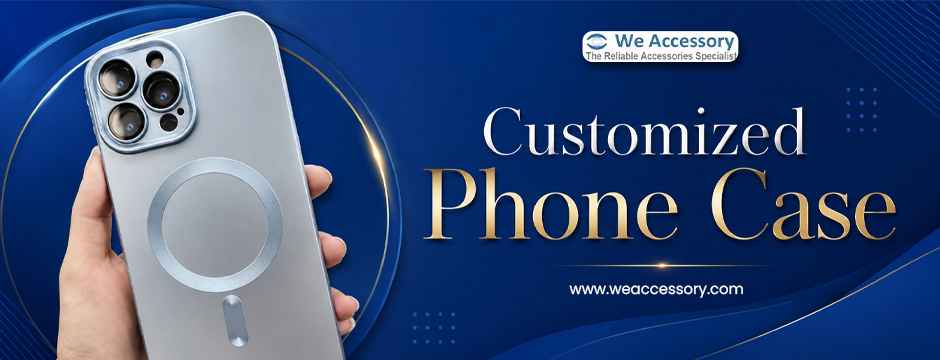
A mobile accessories retailer in Europe noticed an interesting trend during a product review meeting. The store stocked premium transparent cases, rugged protective covers, and standard silicone options. Sales were stable, but growth had slowed. Customers walked in, looked around, compared products, and often left with only one low-margin accessory. The retailer decided to test something different with customized phone cases.
Instead of expanding inventory volume, the business introduced colour-focused collections and functional designs tailored to different customer lifestyles. Cases with integrated stands appeared beside minimalist matte finishes. Magnetic accessories sat beside premium leather-inspired textures. Within months, the average transaction value increased, and repeat purchases became more frequent.
The lesson was simple.
Customers rarely buy accessories purely for protection anymore. They buy products that reflect personality, convenience, and lifestyle preferences.
For retailers preparing for future demand shifts, this change creates an important opportunity. Businesses working with manufacturers and exploring iPhone or smartphone accessories at wholesale opportunities can now use customization as a sales strategy rather than simply a product feature.
Consumers make emotional decisions long before they make rational ones.
This principle applies strongly inside the accessories market. Two cases may offer similar protection, similar durability, and similar material quality. Yet customers often choose the option that feels more personal or visually appealing.
Colour plays a major role in that decision.
Minimalist customers often prefer black, graphite, and neutral shades. Younger buyers may lean toward bold colours or seasonal collections. Business professionals frequently choose premium finishes that complement their devices and work environments.
Retailers who understand these preferences, customized phone cases, can transform ordinary phone cases into lifestyle products.
More importantly, colour variations encourage multiple purchases. A customer who already owns a protective case may still purchase another option for travel, work, or personal style preferences.
That creates repeat sales opportunities without requiring entirely new product categories.
A few years ago, a customized phone cases had one job.
Protect the device.
Today’s customers expect significantly more. Modern consumers look for convenience alongside protection. This has transformed functionality from a bonus feature into a buying decision factor.
Retailers increasingly report stronger demand for:
Customers appreciate products that solve daily problems.
A commuter may value a stand function during travel. A business professional may prefer card storage. A content creator may prioritize camera protection and grip support.
So, when retailers stock accessories based on lifestyle applications rather than only specifications, customer engagement often improves significantly.
The mobile accessories market has become highly competitive. When every store sells similar products, differentiation becomes difficult. Competing solely on price usually creates pressure on margins and profitability.
Customization changes that equation.
A retailer offering curated colour collections and feature-based products creates a more memorable shopping experience. Instead of becoming another store selling accessories, the business becomes a destination for products customers cannot easily find elsewhere.
This is exactly where a customized phone case strategy starts creating long-term value. Retailers are no longer simply selling protection. They are selling personalization, convenience, and identity. That difference often influences purchasing decisions more than pricing.
Many retailers view customized phone cases as one-time purchases. Customer behaviour suggests otherwise.
Unlike smartphones, accessories naturally support replacement cycles. Consumers upgrade styles, change preferences, and respond to trends far more frequently than they replace devices.
Colour plays a particularly important role here.
Fashion trends influence accessory purchasing in much the same way they influence clothing purchases. Seasonal colours, premium textures, and limited collections often encourage customers to return for additional purchases.
Functionality creates another layer of retention.
A customer who enjoys a magnetic stand case may return looking for complementary accessories. Someone who appreciates premium grip technology may seek similar products during future upgrades.
Retailers benefit because repeat purchases generally cost less to generate than new customer acquisition.
Customization is difficult without manufacturing flexibility. This is one reason OEM partnerships have become increasingly valuable for retailers looking to stand out.
OEM manufacturing allows businesses to explore:
Instead of depending entirely on generic inventory, retailers gain greater control over product positioning.
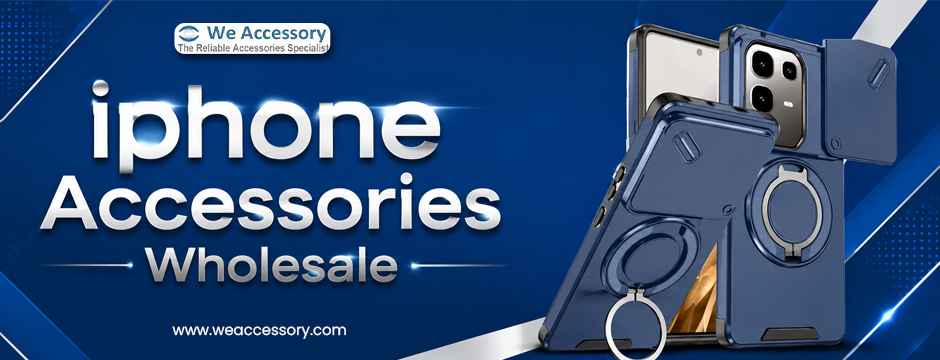
At We Accessory, many businesses use OEM capabilities to build accessory collections that better reflect local customer preferences and market trends. This strategy becomes even more valuable when retailers prepare inventory through reliable iPhone accessories wholesale channels that understand changing consumer behaviour.
The next generation of accessory buyers has grown up in a personalized digital environment.
Naturally, they increasingly expect iPhone accessories wholesale products to reflect the same user experience. Accessories that combine aesthetics with functionality often outperform generic alternatives because they align with this expectation.
The retailers who understand this shift early are often the businesses that outperform competitors later.
Successful retailers rarely chase every trend. Instead, they build balanced product portfolios. A healthy accessory inventory often includes:
This approach creates opportunities across multiple customer segments while reducing dependency on a single product category. More importantly, it supports stronger margins and healthier repeat purchase behaviour.
The accessories market continues evolving rapidly, and customers increasingly expect products that deliver more than protection alone.
Retailers who embrace personalization often create stronger customer engagement, better margins, and improved repeat purchase behaviour. Colour variations create emotional connections, while functional innovations solve everyday problems that customers genuinely value.
That is why a thoughtful customized phone case strategy is becoming a retail growth strategy rather than simply a product decision.
Businesses that adapt early often position themselves ahead of changing consumer expectations. Retailers working closely with manufacturers and suppliers can build product collections that feel differentiated, intentional, and relevant to their customers.
For brands like We Accessory, the opportunity is clear. The future of accessories belongs to products that combine personality with practicality, because customers increasingly expect both.
And in a crowded marketplace, memorable products usually create memorable businesses.
Address:2F, Block A2, Nanchang Industrial area, Xixiang Town,Bao'an District, Shenzhen
Tel: +86-755-36818832
Mobile/Whatsapp: +86-15919800304
Email: [email protected]


