 English
 Français
 Deutsch
 Español
 Italiano
Address:2F, Block A2, Nanchang Industrial area, Xixiang Town,Bao'an District, Shenzhen
Tel: +86-755-36818832
Mobile/Whatsapp: +86-15919800304
Email: [email protected]





Every retailer has experienced that frustrating moment. A product looked promising during purchase. The supplier recommended it confidently. Early demand even looked encouraging. However, weeks later, those same products started sitting untouched on store shelves. Meanwhile, another mobile accessory category kept selling faster than expected.
Customers returned for charging cables. Screen protectors are sold every week. Phone cases disappeared quickly. Yet several trendy products collected dust. At first, it may feel like bad luck. However, experienced retailers know there is usually a deeper reason behind inventory problems.
The truth is simple.
Retail profitability often depends on one important skill: understanding the difference between dead stock and fast-moving stock. Retailers who ignore this difference often struggle with blocked cash flow, poor shelf management, and lower profits. On the other hand, businesses that buy strategically create healthier margins and stronger customer loyalty.
That is why smart sourcing matters. Working with trusted mobile accessory wholesale suppliers helps retailers make smarter decisions instead of emotional ones. This blog explains how retailers can identify risky inventory, avoid expensive mistakes, and buy products that actually move.
A few years ago, retailers could stock large quantities without worrying too much. Customer expectations moved more slowly. Smartphone launches happened less frequently. Trends remained relevant longer.
Today, the market works differently.
Mobile accessories change rapidly. Consumer preferences shift almost overnight. New phone launches instantly influence buying behavior. What sold consistently three months ago may suddenly become irrelevant.
Because of this, inventory decisions have become more important than ever.
Retailers no longer compete only on price. They compete on product availability, trend awareness, and customer satisfaction. A shopper entering a store expects useful, updated accessories for their device.
When those products are unavailable, many customers simply buy elsewhere. This creates pressure on retailers to stock smarter, not larger.
The smartest businesses focus less on quantity and more on inventory quality. They understand which products deserve shelf space and which ones quietly hurt profits.
Imagine a retailer purchasing hundreds of trendy phone accessories because a supplier promises strong demand. Initially, everything feels exciting. The products look modern, stylish, and profitable. Yet after a few weeks, customer interest slows down. Soon, those accessories stop moving completely.
This is where dead stock begins. Dead stock refers to products that remain unsold for long periods. These products occupy valuable shelf space without generating meaningful revenue.
Unfortunately, many retailers fail to recognize the real cost of dead stock. Here, partnering with the best mobile accessory wholesale supplier can help.
The problem goes beyond unsold inventory. Dead stock traps cash flow. Instead of investing in high-demand products, money remains stuck in products that customers no longer want. Over time, this affects purchasing flexibility and profitability.
For example, a retailer may miss the chance to stock trending accessories because too much money remains invested in outdated products. Some common examples of dead stock include:
Most importantly, dead stock rarely happens overnight. It develops gradually when retailers stop monitoring buying patterns.
Now, imagine a different scenario.
A retailer notices that customers repeatedly ask for durable charging cables. Screen protectors consistently sell. Wireless earbuds attract steady attention. Affordable protective cases generate repeat purchases. These products move regularly without aggressive discounting.
That is a fast-moving stock.
Fast-moving stock includes products that customers purchase consistently over time. These accessories generate regular sales and help maintain healthy cash flow. For retailers, these products create stability. Instead of worrying about unsold inventory, businesses can confidently reorder products that already perform well. Common fast-moving phone accessories often include:
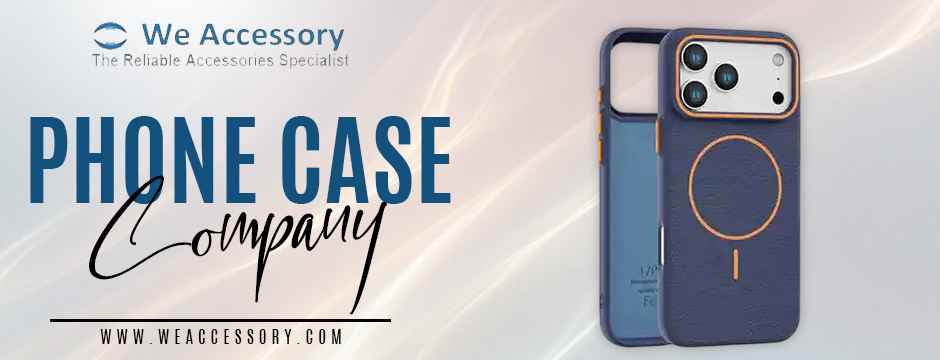
Phone cases remain one of the strongest retail performers because smartphones constantly need protection. Retailers sourcing products from a trusted phone case company often notice better repeat sales due to stronger product consistency.
Most smartphone users eventually need screen protection. Since accidental damage happens frequently, demand stays relatively stable.
Modern consumers prioritize speed and convenience. Fast chargers and quality cables often experience repeat demand.
Customers increasingly prefer portable charging solutions and wireless convenience. These categories often move steadily across different customer groups. However, every retail location behaves differently.
What sells in an urban electronics market may not work equally well in a neighborhood mobile shop. Therefore, retailers should regularly study customer behavior before restocking.
Many inventory mistakes begin with good intentions. Retailers want higher profits, better product variety, and stronger customer engagement. Unfortunately, several buying habits increase the risk of dead stock.
Sometimes products simply look impressive. Bright packaging, premium branding, or supplier enthusiasm can influence purchasing decisions.
However, visual appeal alone does not guarantee demand. Retailers should always rely on sales data and customer preferences.
Wholesale pricing can feel tempting. Many suppliers encourage larger orders regarding mobile accessory wholesale with better discounts. While this improves margins initially, excessive quantities often create inventory pressure.
A lower price means little if products remain unsold.
Retailers occasionally assume customer preferences without checking actual demand.
For example, expensive designer phone accessories may appeal to certain locations but struggle elsewhere. Hence, understanding audience behavior reduces unnecessary inventory risk.
Low pricing often creates short-term excitement. However, poor-quality products hurt customer trust. When accessories fail quickly, customers hesitate to return.
This becomes especially important when sourcing products from a reliable phone case factory, where quality standards directly impact long-term retail performance.

Successful retailers rarely guess. Instead, they observe buying behavior carefully. Several practical methods help retailers identify winning products before overinvesting.
Past sales often reveal valuable insights. Retailers should identify products that repeatedly sell well during different seasons. Consistent performers deserve priority.
New smartphone releases instantly affect accessory demand. Retailers who react quickly often gain stronger sales opportunities.
Rather than investing heavily immediately, smart retailers test smaller quantities first. This reduces risk while helping understand customer response.
Sometimes the best inventory insights come directly from shoppers. Repeated product requests often signal strong demand potential.
Retail success rarely comes from buying everything. Instead, successful businesses balance experimentation with consistency. Retailers also benefit from building long-term supplier relationships.
Reliable wholesalers like We Accessory provide better inventory guidance, product updates, and quality consistency. More importantly, strong supplier partnerships improve confidence during purchasing decisions.
Using smartphone accessory wholesale partners strategically helps retailers avoid unnecessary risks and improve inventory planning.
Every retailer eventually learns the same lesson. A product that looks exciting does not always sell. Meanwhile, simple accessories often generate the strongest profits.
The difference between dead stock and fast-moving stock can shape an entire retail business.
Dead stock limits growth. Fast-moving products improve cash flow, customer satisfaction, and long-term profitability. Instead of chasing every trend, retailers should focus on understanding customer behavior, monitoring inventory performance, and sourcing wisely.
Most importantly, partnering with trusted mobile accessory wholesale suppliers, We Accessory, helps businesses make smarter buying decisions that support long-term success.
Address:2F, Block A2, Nanchang Industrial area, Xixiang Town,Bao'an District, Shenzhen
Tel: +86-755-36818832
Mobile/Whatsapp: +86-15919800304
Email: [email protected]


