 English
 Français
 Deutsch
 Español
 Pусский
Address:2F, Block A2, Nanchang Industrial area, Xixiang Town,Bao'an District, Shenzhen
Tel: +86-755-36818832
Mobile/Whatsapp: +86-15919800304
Email: sales@weaccessory.com
Skype: sunny.law86

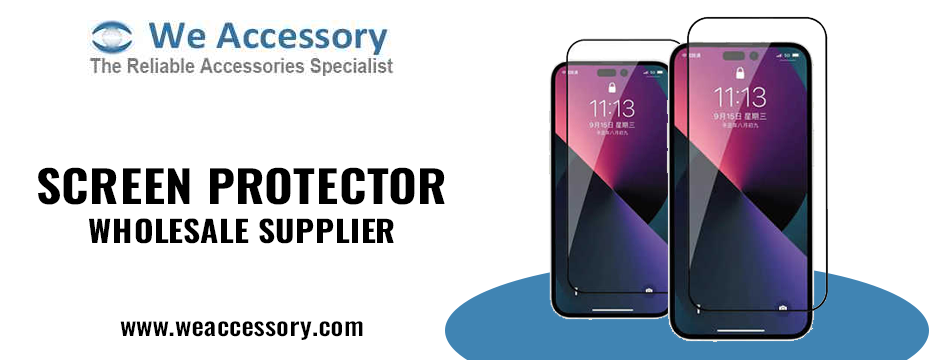
Screen damage remains one of the most common customer complaints across mobile devices. Cracked screens lead to expensive repairs and frustrated users. As device prices rise, buyers seek stronger, affordable protection solutions. Hence, this shift directly impacts retailers and distributors. Screen protection is no longer an optional accessory. It has become a necessity in every device sale. Among available options, tempered glass wholesale dominates wholesale demand.
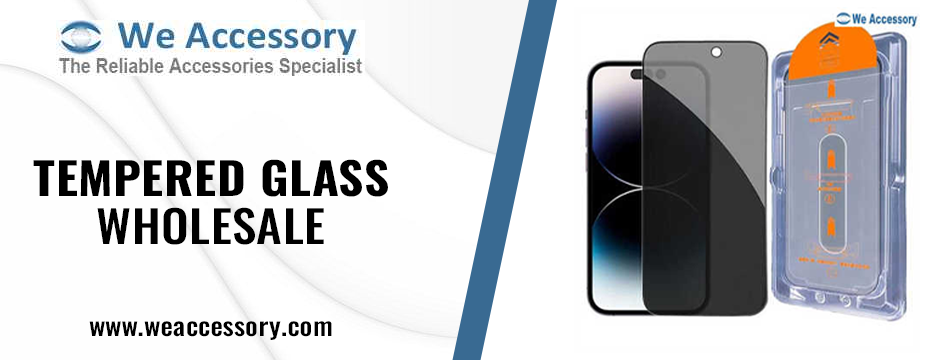
Retailers prefer products that sell quickly and build repeat trust. Distributors focus on margins, consistency, and scalability. Tempered glass meets all these requirements effortlessly. Here, We Accessory can help.
Tempered glass is chemically strengthened safety glass. It undergoes controlled heating and rapid cooling during manufacturing.
This process increases the strength several times compared to regular glass. The result is impact resistance without flexibility issues. When broken, it shatters into small, blunt fragments instead of sharp shards. This safety feature attracts both customers and retailers.
Tempered glass protectors absorb impact energy during drops. They act as a sacrificial layer, protecting the actual device screen. For wholesalers, this reliability translates into consistent demand.
Plastic films and hydrogel protectors exist in the market. However, they lack durability and perceived value. Customers often complain about scratches and bubbles with plastic protectors.
Tempered glass offers a solid, premium feel. It maintains screen clarity and touch sensitivity effectively. Oleophobic coatings reduce fingerprints and smudges. These features improve everyday usability.
From a B2B perspective, fewer complaints mean lower return rates. A screen protector wholesale supplier generally values products that reduce after-sales issues.
Tempered glass has strong brand recognition among consumers. Buyers actively ask for it by name. This reduces sales effort at retail counters. So, when customers already understand the product, conversion becomes easier.
Retailers benefit from faster decision-making cycles. Distributors benefit from predictable volume movement. High awareness also reduces the need for extensive product education.
As a result, tempered glass remains a fast-moving accessory category.
Wholesale tempered glass offers attractive margin structures. Product costs remain low compared to perceived value. Retail pricing supports healthy markups.
Volume-based wholesale pricing improves distributor profitability further. Bundling tempered glass with device sales increases average order value. Retailers often cross-sell without resistance.
This flexibility makes tempered glass a reliable revenue driver. Additionally, packaging simplicity reduces logistics expenses.
The device market changes rapidly. New models launch frequently across brands. Tempered glass manufacturers respond quickly with updated SKUs. This adaptability benefits wholesalers and distributors.
One category supports multiple device segments. Smartphones, tablets, and even smartwatches use tempered glass protection. Retailers can stock diversified options with minimal risk. Faster replenishment cycles keep inventory relevant. This scalability makes these ideal for tempered glass wholesale operations.
Tempered glass packs flat and lightweight. This simplifies bulk storage and shipping. Warehousing remains space-efficient. Reduced breakage rates during transit improve logistics reliability.
Moreover, secure packaging protects units during handling. Wholesalers appreciate products that move easily without complex storage needs. So, these operational advantages support scalable distribution networks.
Many wholesalers offer private-label tempered glass. Custom branding improves retailer differentiation. Distributors can supply white-label products with retailer logos. This builds brand loyalty and, importantly, repeat orders.
Custom packaging enhances perceived professionalism. Branding opportunities allow distributors to move beyond commodity pricing. Higher perceived value supports better margins.
Tempered glass comes in multiple grades. Thickness options like 9H, 11D, or privacy variants meet varied demands. Retailers can target budget, mid-range, and premium buyers.
Distributors supply tiered pricing strategies accordingly. This flexibility increases market penetration. Serving multiple customer segments from one product category simplifies inventory planning. Partner with a reliable screen protector wholesale supplier.
Not all accessories require a technical explanation. Tempered glass installation is widely understood. Retail staff install products quickly or explain usage easily. Training time remains minimal.
Hence, it saves cost and improves operational efficiency. Retailers value accessories that integrate smoothly into sales workflows. Tempered glass meets this expectation consistently.
People spend more time on mobile devices than ever. Screens face constant exposure to drops and scratches. Remote work, streaming, and mobile gaming increase usage. As usage rises, damage risk follows. Consumers respond by prioritising screen protection immediately after purchase.
This behaviour sustains tempered glass demand long-term. Retailers and distributors benefit from this predictable buying pattern.
Screen protectors require replacement over time. Drops, cracks, or wear create repeat demand. Unlike one-time accessories, tempered glass encourages recurring purchases.
Retailers enjoy repeat footfall. Distributors gain steady reorder cycles. Predictable consumption patterns support inventory forecasting accuracy. Hence, this stability enhances overall business planning.
Supplying consistent quality strengthens the distributor’s reputation. Reliable tempered glass suppliers reduce risk. Certifications, material consistency, and packaging standards matter in tempered glass wholesale markets.
Distributors offering dependable quality attract long-term retailer relationships. This reduces price-based competition. Quality-driven supply chains outlast short-term market fluctuations.
Tempered glass performs well across sales channels.
Distributors support both models effectively. This flexibility protects against market shifts. Retailers diversify revenue streams without changing core products. Hence, tempered glass remains relevant across evolving retail environments.
Manufacturers now focus on safer materials and reduced waste. Improved packaging reduces plastic usage. Responsible sourcing appeals to conscious retailers. While not the primary buying factor, sustainability influences future trends.
Distributors aligned with ethical practices stay competitive. Tempered glass production continues to improve in this area.
Popularity comes from consistent performance and business reliability.
Few accessory categories balance these factors so effectively. This explains its sustained dominance in wholesale markets. Now, if you want to sell quality tempered glass, contact us at We Accessory.
Tempered glass is more than a screen protector. It is a high-demand, low-risk wholesale product. Retailers depend on steady tempered glass wholesale. Distributors rely on it for volume consistency. Its durability, awareness, and profitability support long-term growth.
As device usage increases, demand will remain strong. For businesses focused on sustainable accessory sales, tempered glass remains the most popular and dependable screen protection option.
Address:2F, Block A2, Nanchang Industrial area, Xixiang Town,Bao'an District, Shenzhen
Tel: +86-755-36818832
Mobile/Whatsapp: +86-15919800304
Email: sales@weaccessory.com
Skype: sunny.law86


