 English
 Français
 Deutsch
 Español
 Italiano
Address:2F, Block A2, Nanchang Industrial area, Xixiang Town,Bao'an District, Shenzhen
Tel: +86-755-36818832
Mobile/Whatsapp: +86-15919800304
Email: [email protected]





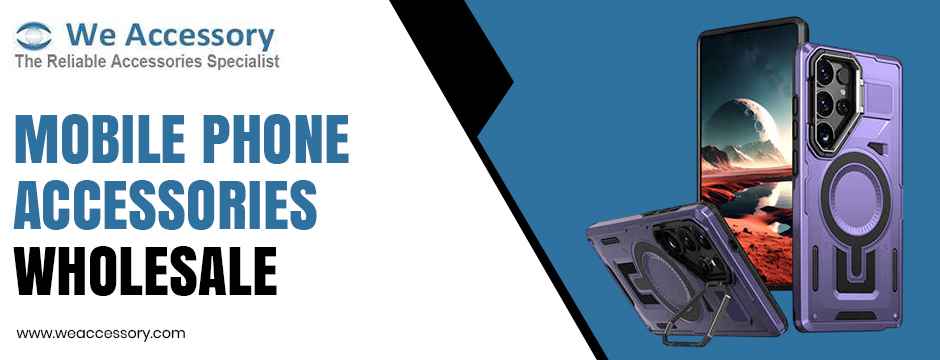
Impulse buying is not accidental. It is deeply rooted in psychology, environment, and emotion. Mobile phone accessories wholesale, in particular, sit at the perfect intersection of desire and affordability. Customers rarely plan to buy phone cases, chargers, sunglasses, or small lifestyle add-ons.
Yet, they often leave stores with one or two extra items in their bags. For retailers, this behavior represents a powerful revenue opportunity.
Therefore, understanding why customers buy accessories on impulse helps stores design smarter layouts, pricing strategies, and merchandising experiences. When done right, impulse-driven accessories can quietly become one of the most profitable categories in retail.
Impulse buying is driven by emotional triggers rather than rational planning. Accessories appeal because they feel like low-risk rewards. Customers experience a quick sense of gratification without the guilt associated with high-ticket purchases. The brain processes accessories as “treats” rather than commitments.
This emotional shortcut makes it easier to justify spontaneous decisions. Additionally, accessories often solve small, immediate problems, such as phone protection or convenience. When customers see an item that promises instant improvement, hesitation fades quickly.
Retailers who understand this psychology can position accessories where emotions guide decisions.
Accessories like Apple accessories in wholesale have several characteristics that make them ideal impulse products. They are relatively affordable, visually engaging, and easy to understand. Customers do not need long explanations or comparisons. A glance is often enough to trigger interest.

Accessories also complement products customers already own, making them feel relevant and personal. This sense of familiarity reduces decision fatigue. Unlike major purchases, accessories rarely require research. The simplicity of the choice accelerates buying behavior.
For retailers, this combination of low price and high relevance creates consistent impulse-driven sales opportunities.
Physical placement plays a critical role in impulse buying. Accessories placed near checkout counters, entry points, or high-traffic zones receive maximum attention. Customers waiting in line are mentally idle and more open to distraction.
This is the moment when impulse decisions thrive.
Strategic shelving at eye level further increases visibility. Well-lit displays with clean organization signal quality and trust. When accessories are scattered or cluttered, customers hesitate. A thoughtful layout guides attention naturally and reduces friction, turning browsing moments into buying moments.
If you want to buy the best quality phone accessories at wholesale price, contact us at We Accessory.
The checkout area is one of the most powerful impulse zones in any store. Customers are already in a buying mindset and are less price-sensitive. Mobile phone accessories wholesale displayed here benefit from convenience and timing. Items that require no assistance and minimal thought perform best.
Clear pricing and simple messaging help customers decide quickly. So, retailers who optimize checkout displays often see a significant increase in average order value without additional marketing spend.
Visual presentation strongly influences impulse behavior. Accessories that are neatly arranged, color-coordinated, or grouped by use appear more desirable. Packaging also plays a key role. Premium-looking packaging elevates perceived value, even for low-cost items.
Customers associate clean design with reliability and quality. Storytelling through visuals, such as lifestyle images or usage scenarios, further enhances appeal.
When customers can imagine using an accessory instantly, the emotional connection strengthens. Visual merchandising transforms accessories from optional extras into must-have items.
Impulse pricing relies on perceived value rather than absolute cost. Accessories priced just below psychological thresholds feel more acceptable.
Bundling accessories with slight discounts also encourages spontaneous purchases. Customers perceive bundles as smart deals rather than indulgences. Limited-time offers and small price tags reduce overthinking.
Transparency is equally important. Hidden costs or unclear pricing disrupt impulse momentum. Retailers who balance affordability with perceived quality create pricing environments where customers feel confident making instant decisions.
Scarcity is a powerful motivator in impulse buying. Limited stock displays or “only a few left” messaging trigger fear of missing out. Mobile phone accessories wholesale benefit greatly from this tactic because customers do not want to regret skipping a small purchase later.
Time-based urgency, such as seasonal collections or short-term offers, also increases impulse behavior. However, authenticity matters. Artificial urgency can damage trust. When scarcity feels genuine, customers act quickly without questioning their decision.
Accessories thrive when paired with related products. Cross-merchandising places accessories next to the products they complement.
For example, phone cases near smartphones or cables near power banks. This placement reminds customers of additional needs they may have overlooked.
Add-on selling works best when the accessory enhances or protects the primary purchase. The key is relevance. When customers see immediate value, they are more likely to add items without resistance. This strategy increases basket size while improving customer satisfaction.
Sales staff play an understated role in impulse purchases. A subtle suggestion at the right moment can significantly influence decisions. Rather than aggressive upselling, simple reminders work best.
For instance, mentioning protection, convenience, or compatibility can prompt accessory purchases. Knowledgeable staff build trust, making customers feel guided rather than pressured.
Timing matters. Suggestions made after the main decision is finalized are more effective. Retailers who train staff to recognize these moments can consistently increase sales of wholesaleApple accessories.
Impulse behavior extends beyond physical stores. Online shoppers also make spontaneous accessory purchases, especially during checkout. Recommendations like “frequently bought together” or “customers also added” mirror in-store impulse tactics.
Visual clarity, quick-loading images, and one-click add-ons reduce friction. Mobile shopping further amplifies impulse buying due to smaller screens and faster decisions. Retailers who align digital layouts with impulse psychology can capture additional revenue without complex campaigns.
Understanding customer behavior through data helps refine impulse strategies. Sales analytics reveal which accessories sell best as add-ons and where placement matters most. Heat maps, basket analysis, and purchase timing offer valuable insights.
Retailers can test display changes, pricing adjustments, and bundling strategies to measure impact. Data-driven decisions remove guesswork and improve consistency.
Over time, small optimizations compound into significant revenue growth.
Impulse buying should never feel manipulative. Trust remains essential for long-term success. Clear product information, fair pricing, and honest messaging protect brand credibility. Customers who feel satisfied with impulse purchases are more likely to repeat the behavior.
Quality matters! Poor-quality accessories damage trust and reduce future impulse potential. Retailers who prioritize value over quick wins create positive associations that benefit both sales and reputation.
So, always partner with the best mobile phone accessories wholesale company. Here, We Accessory can help you.
Capitalizing on impulse behavior requires intentional planning rather than chance. Successful stores treat accessories as strategic assets, not afterthoughts. This involves aligning layout, pricing, staff training, and inventory management.
Regular updates keep displays fresh and engaging. Seasonal relevance also matters. Accessories tied to trends or events feel timely and exciting.
When impulse strategies are built into daily operations, accessory sales become predictable and scalable.
Impulse buying is a powerful force, especially in the accessories category. Customers buy spontaneously because accessories feel affordable, relevant, and emotionally rewarding.
For retailers, this behavior presents a consistent opportunity to increase revenue without heavy promotions. Therefore, by understanding psychology, optimizing layouts, refining pricing, and maintaining trust, stores can turn impulse moments into meaningful growth.
Accessories may be small items, but when strategically managed, they deliver an outsized impact on profitability and customer experience.
Address:2F, Block A2, Nanchang Industrial area, Xixiang Town,Bao'an District, Shenzhen
Tel: +86-755-36818832
Mobile/Whatsapp: +86-15919800304
Email: [email protected]


