 English
 Français
 Deutsch
 Español
 Pусский
Address:2F, Block A2, Nanchang Industrial area, Xixiang Town,Bao'an District, Shenzhen
Tel: +86-755-36818832
Mobile/Whatsapp: +86-15919800304
Email: sales@weaccessory.com
Skype: sunny.law86



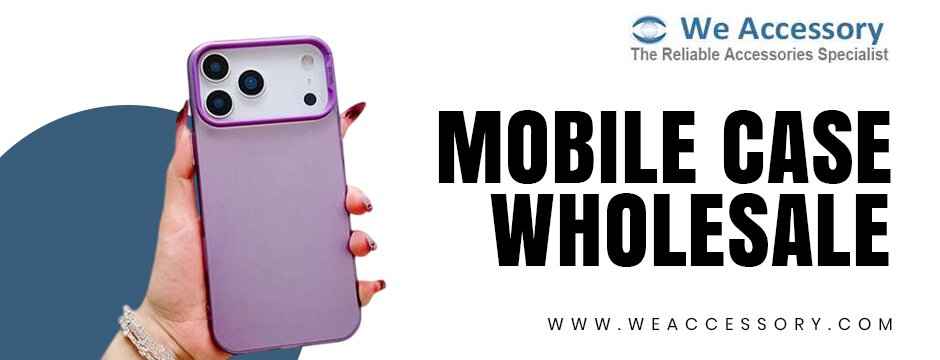
In the competitive world of Mobile Case accessories, the choice of material often determines both product performance and customer preference. For wholesalers and retailers, understanding which materials resonate with buyers is not only useful but also essential. While many newcomers focus simply on appearance, seasoned players know that the actual material impacts durability. They know that user comfort, price point, and long-term demand are key.
In the mobile case wholesale sourcing, material selection influences order quantities, pricing strategy, and inventory turnover. Whether you supply online marketplaces, retail stores, or corporate clients, knowing what sells and why gives you a strategic edge. At We Accessory, wholesale sourcing is grounded in deep market insights and material expertise.
This blog explores the top ten materials used in mobile cases and how demand trends are shaping their commercial viability in 2026.
Before diving into specific materials, it’s important to understand what modern consumers look for in mobile cases:
Retailers must balance these factors against wholesale pricing, minimum order quantities, and logistical constraints. Material choice becomes a competitive differentiator, not just a product feature.
TPU remains one of the most popular materials in wholesale mobile cases. It offers flexibility, shock absorption, and reasonable cost.
Retail buyers often prefer TPU cases for bundled sales and promotional packs. Their balanced performance and price make them high-turnover items in B2B mobile case wholesale catalogs.
Polycarbonate is a hard, rigid plastic known for impact resistance. When paired with TPU, it creates hybrid cases that deliver enhanced protection.
Generally, PC cases perform well in markets where durability tops consumer priority lists, such as corporate bulk orders or outdoor accessory collections.
Silicone cases offer a soft-touch experience and elegant finish. While not as rugged as TPU or PC, they perform well in daily use.
Fashion-forward retailers often include silicone cases in seasonal collections. Their perceived premium feel increases add-on sales.
Leather, both genuine and synthetic (PU leather), continues to attract buyers seeking sophistication.
Leather cases command higher price points and are ideal for gift markets, business bundles, and premium accessory lines. PU leather offers a similar appeal with lower costs.
Wood case materials, often real wood veneers over plastic cores, appeal to the eco-conscious segment. So, if you want to sell such a customized phone case to your customers, you can go ahead.
Wood cases attract buyers looking for premium, sustainable products. Though pricing sits above basic plastics, their uniqueness boosts B2B order value.
Metal accessories offer superior rigidity and modern aesthetics. Pure metal cases are less common, but metal elements and reinforcements are increasingly used in hybrid designs.
Metal designs resonate with segments that prioritize longevity and sleek industrial design. Retailers often bundle these with high-end devices.
Combining soft TPU bumpers with hard PC back panels creates hybrid cases that balance protection and flexibility.
These hybrids are top-performers in general retail and online sales alike. The versatility of design makes them easy upsell products in B2B catalogs.
Fabric-based mobile cases incorporate woven textures, denim, canvas, or eco-friendly textiles over reinforced cores.
Fabric cases attract niche markets interested in artisanal looks and lifestyle accessories. Wholesale demand peaks in seasonal trends.
Sustainable materials are no longer a niche concept; rather, they are strategic inventory mobile case wholesale items. Bioplastics or recycled plastics reduce the environmental footprint.
Retailers increasingly stock eco-friendly options to align with brand values. B2B partners who offer green case options differentiate themselves effectively.
Cases with tempered glass panels or hybrid designs incorporate glass elements for an upscale, glamorous look.
Glass-based designs perform well in fashion-oriented markets and social media-driven collections. Their perceived value supports higher retail pricing and better margins for wholesalers.
Understanding current trends helps wholesalers anticipate demand peaks and plan inventory.
Eco-conscious materials like bioplastics, recycled plastics, and natural wood are no longer just trends — they are demand drivers. Retailers increasingly seek products that align with environmental values.
Despite aesthetic trends, consumers still value durability. Hybrid TPU + PC and metal-reinforced cases remain best-sellers due to proven drop protection performance.
Fabric and leather-made customized phone cases create emotional appeal. Consumers want accessories that reflect personality, not just functionality. Strategic B2B catalogs include varied textures to meet this need.
Certain materials perform stronger during specific seasons or market cycles. For example, premium leather often sees spikes during holiday gifting seasons, while eco-friendly options attract buyers year-round.
Material knowledge empowers retailers to tailor their product mix strategically. Here’s how:
Match materials with customer profiles. Performance-focused buyers prefer rugged hybrids. Aesthetic-focused buyers lean toward fabric or leather. Eco-conscious buyers choose biodegradable cases.
Combine high-demand materials with trending designs. For example, hybrid protective cases bundled with tempered glass screen protectors increase average order value.
In product descriptions and campaigns, highlight what materials do. Emphasize durability, eco-friendliness, tactile feel, or premium finishes. Educated buyers buy faster.
Different materials justify different price bands. Offer entry-level TPU cases for mass-market needs and premium bioplastic or leather options for higher-margin segments.
At We Accessory, wholesale case sourcing prioritizes both quality and market relevance. By aligning material offerings with real-world demand, partners access:
Choosing the right materials also enhances brand positioning for retailers, helping them stand out against competitors.
Material selection in mobile case wholesale is far more than a production detail. It shapes customer perception, pricing strategy, inventory turnover, and long-term growth. From versatile TPU and protective hybrids to premium leather and sustainable bioplastics, each material category serves a unique buyer segment and demand pattern.
As 2026 unfolds, sustainability, protection, and style remain the three pillars driving wholesale demand. For wholesalers, aligning product catalogs with these market insights creates stronger partnerships, better sales performance, and higher margins.
With a thoughtful material strategy, backed by quality sourcing from We Accessory, your business can stay ahead of trends, serve diverse customers, and grow with confidence.
Address:2F, Block A2, Nanchang Industrial area, Xixiang Town,Bao'an District, Shenzhen
Tel: +86-755-36818832
Mobile/Whatsapp: +86-15919800304
Email: sales@weaccessory.com
Skype: sunny.law86


